
OUR WORK
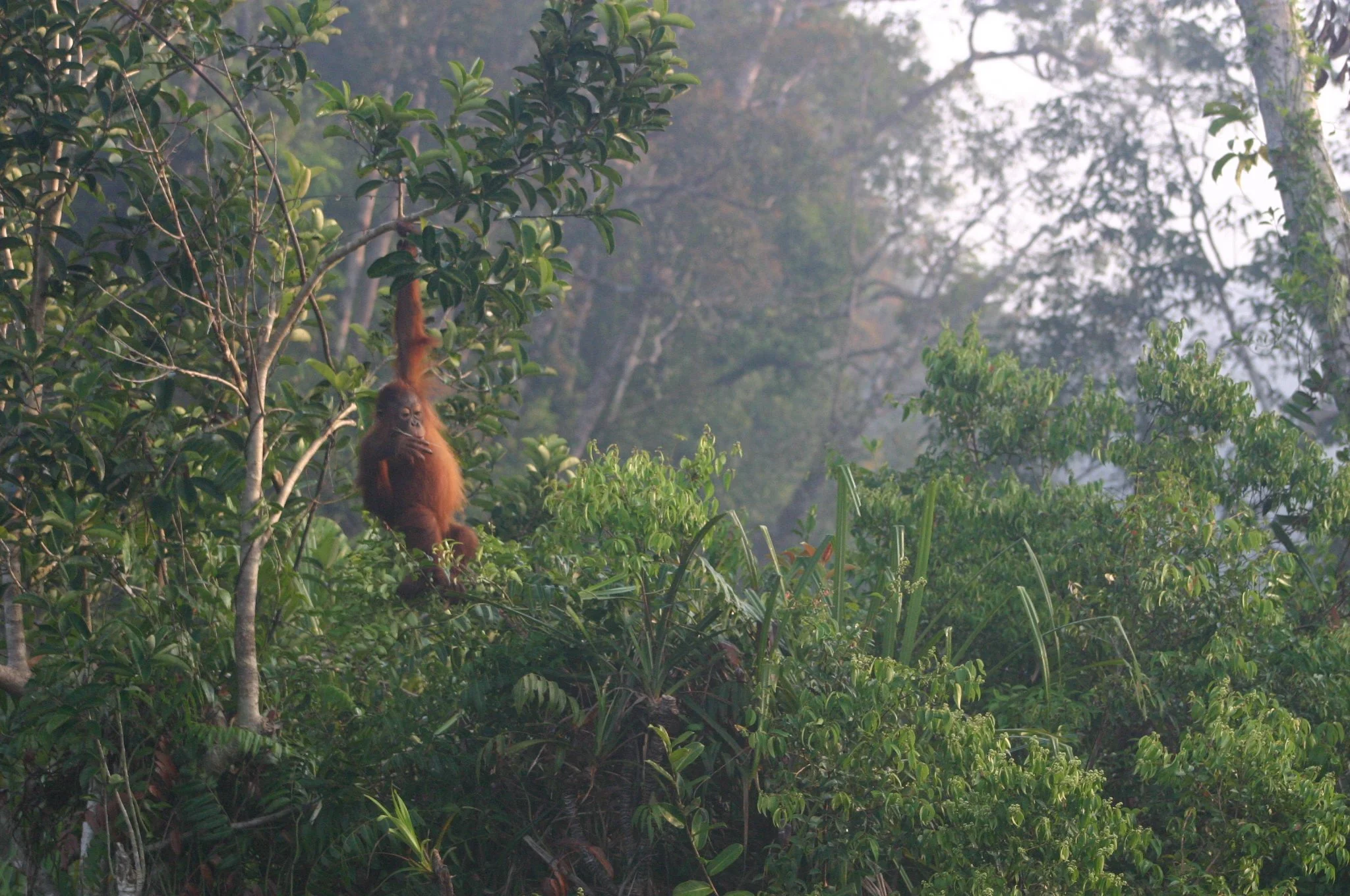
We operate 5 key programmes under our 3 pillars: orangutans, forests and people.
ORANGUTANS
soft-RELEASE programme
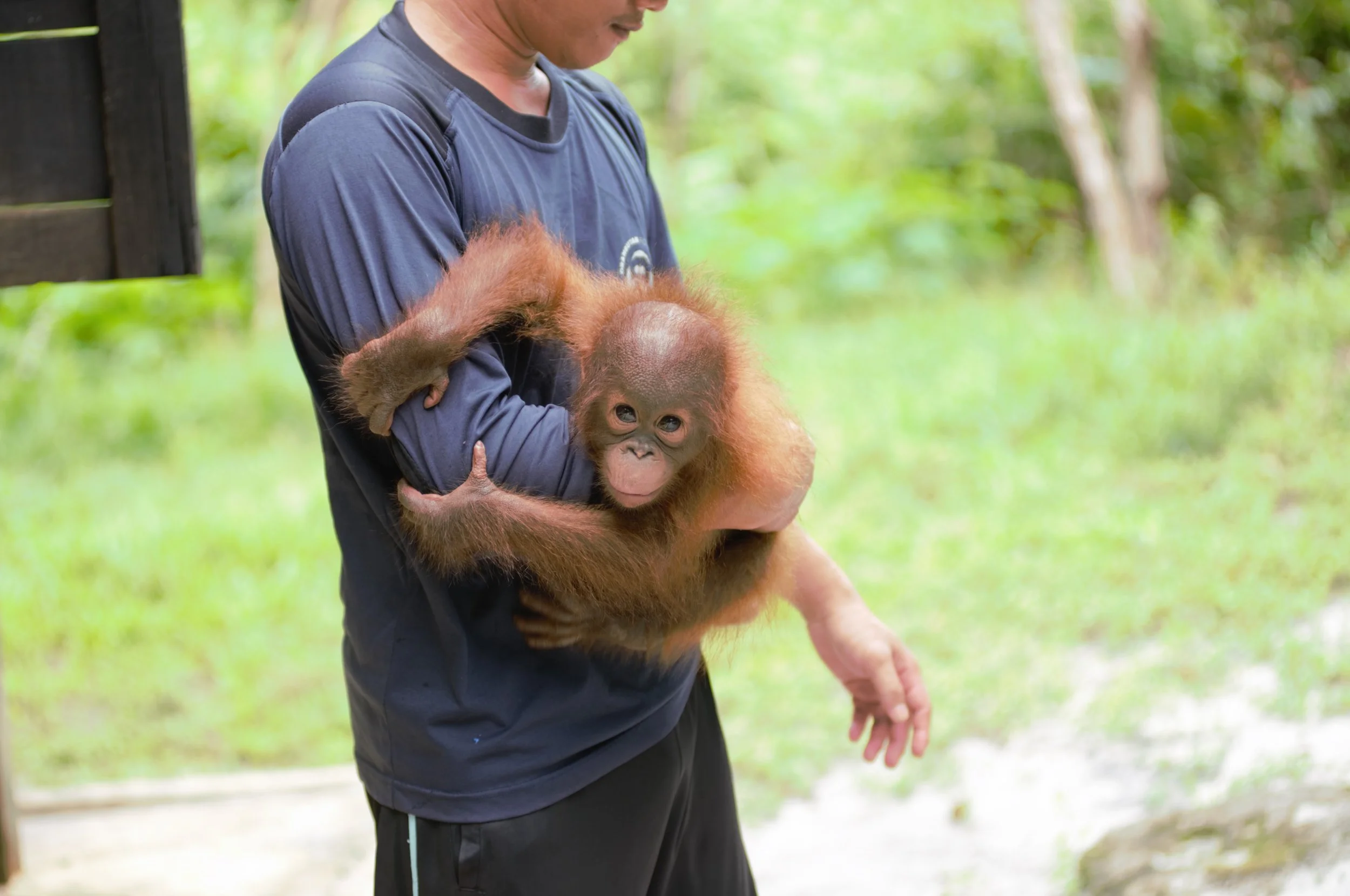
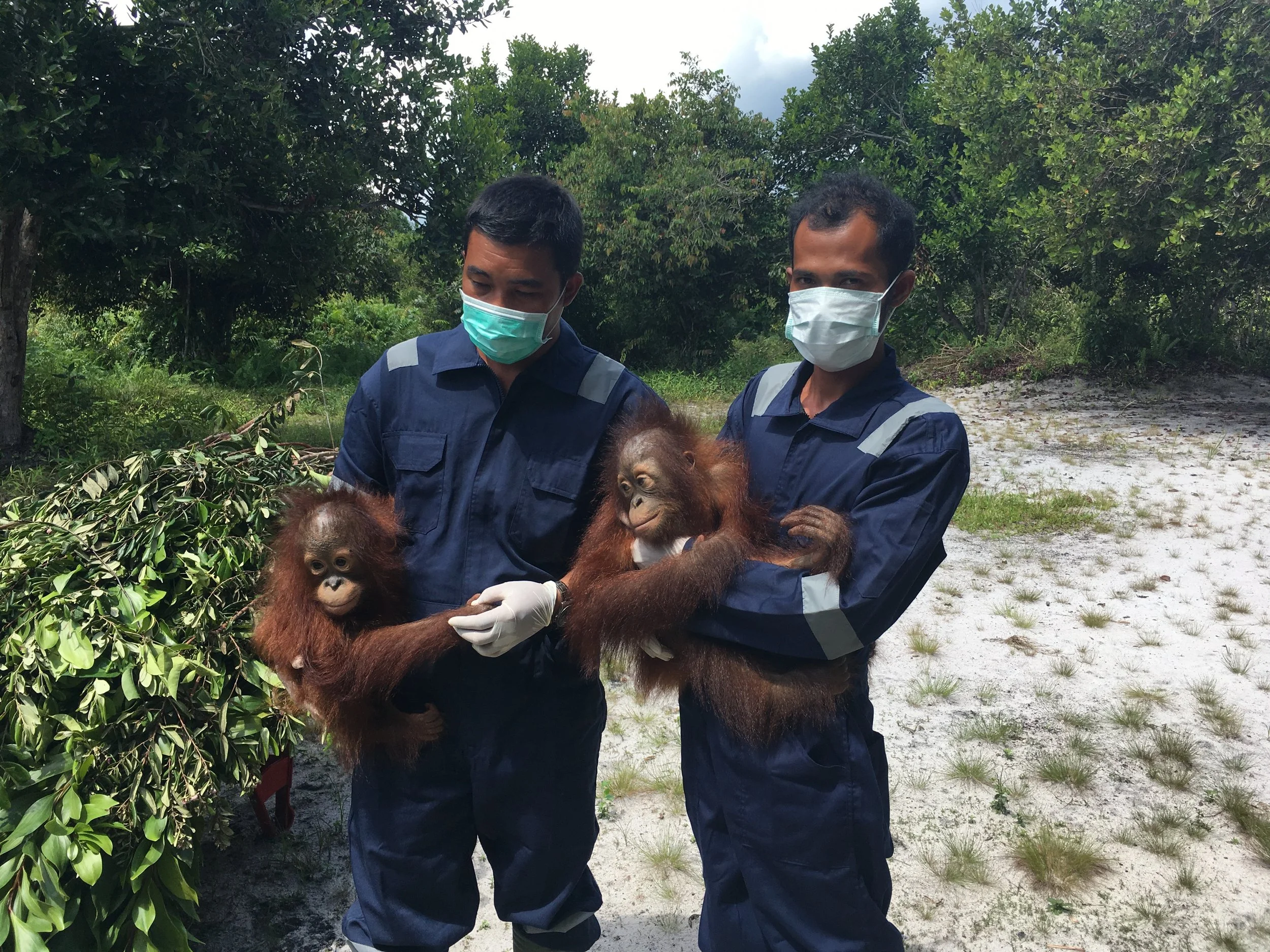
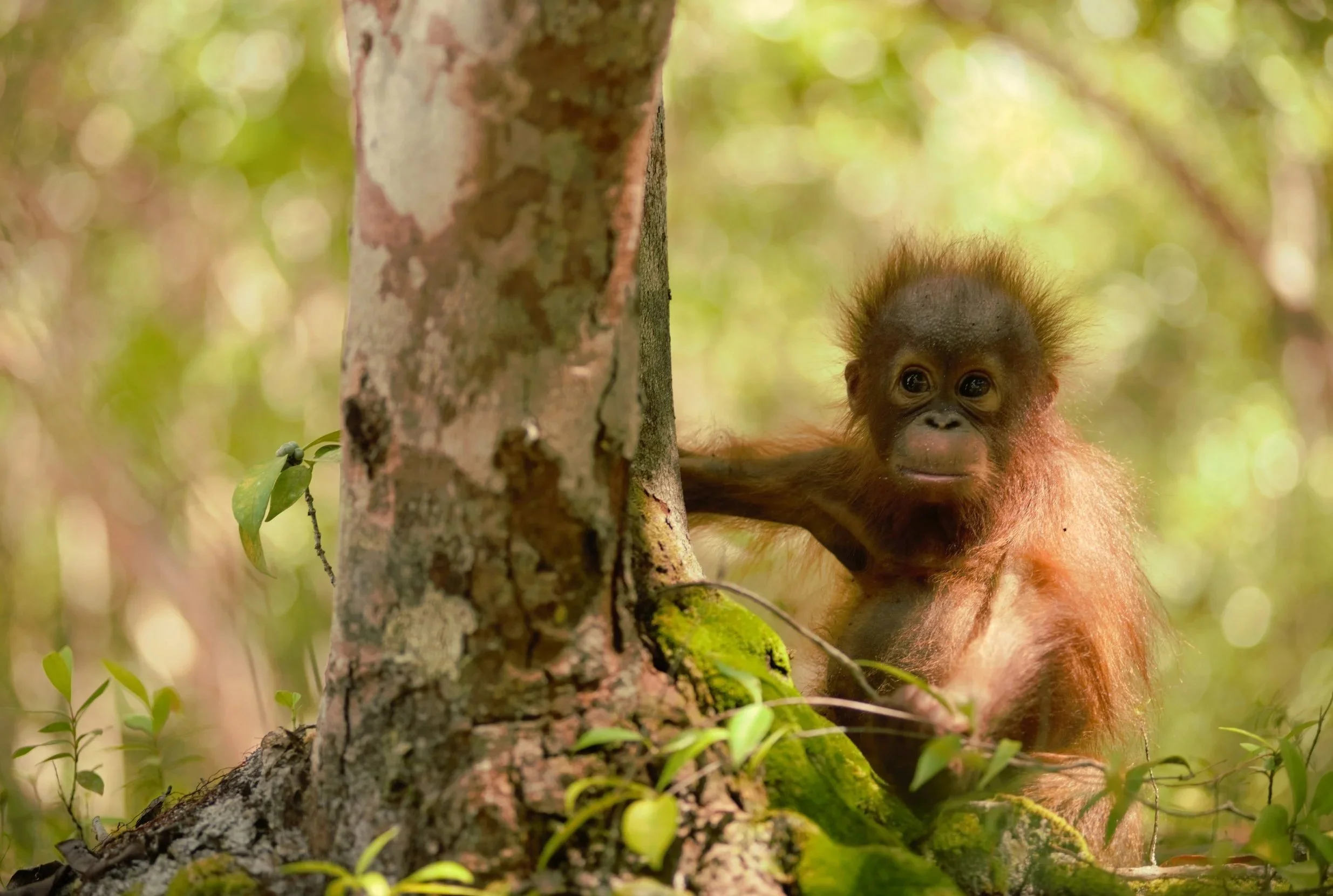
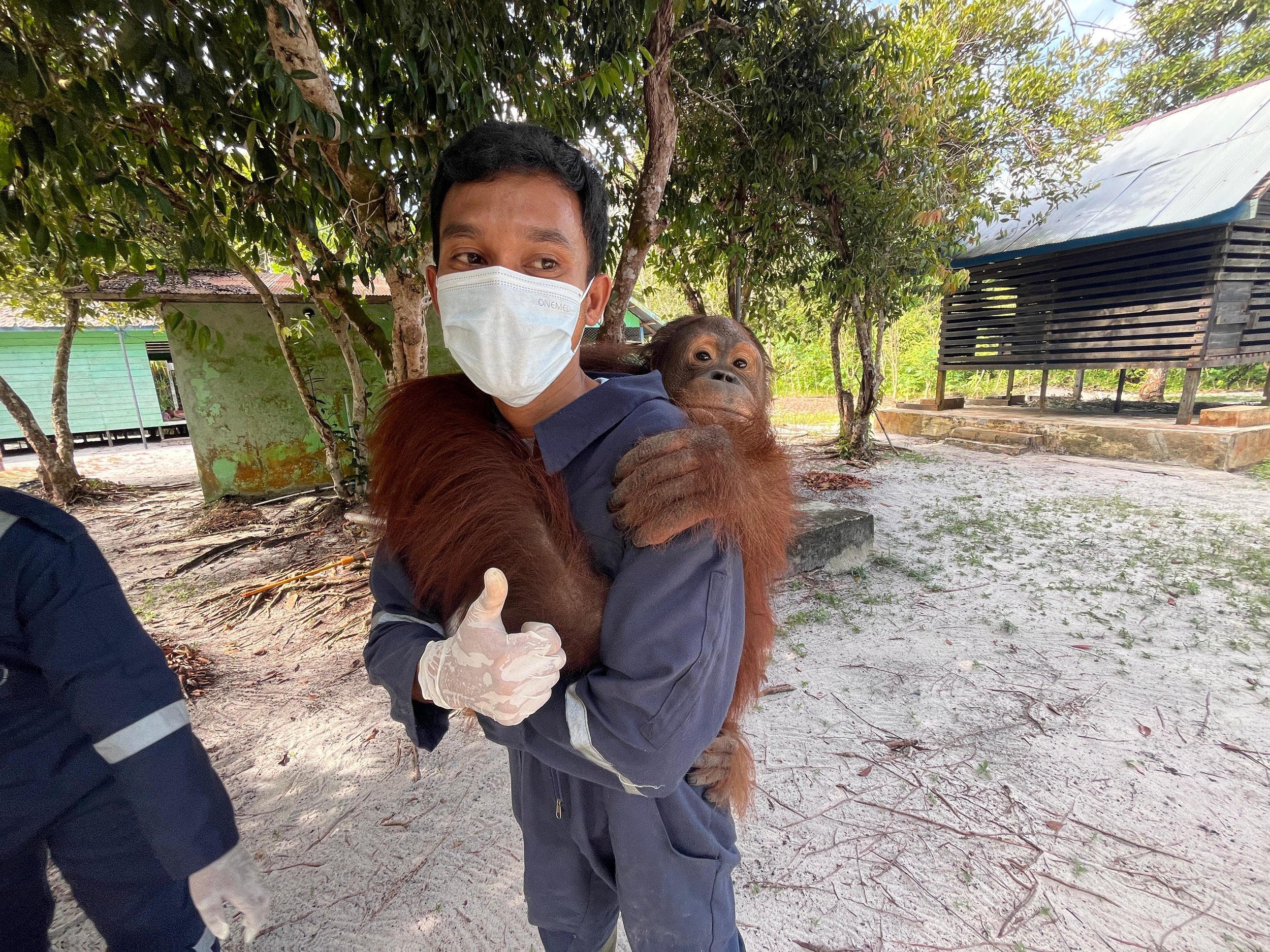
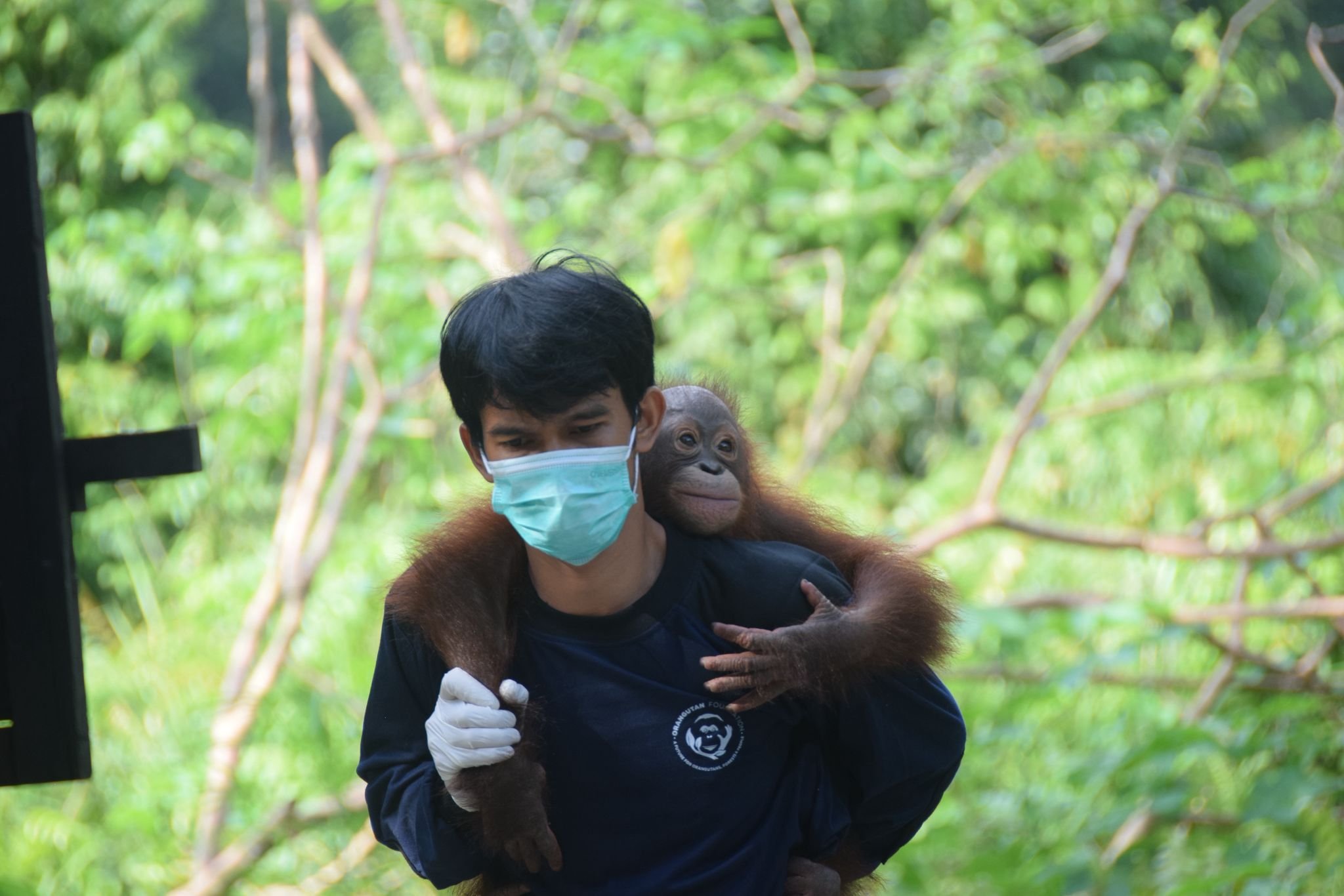
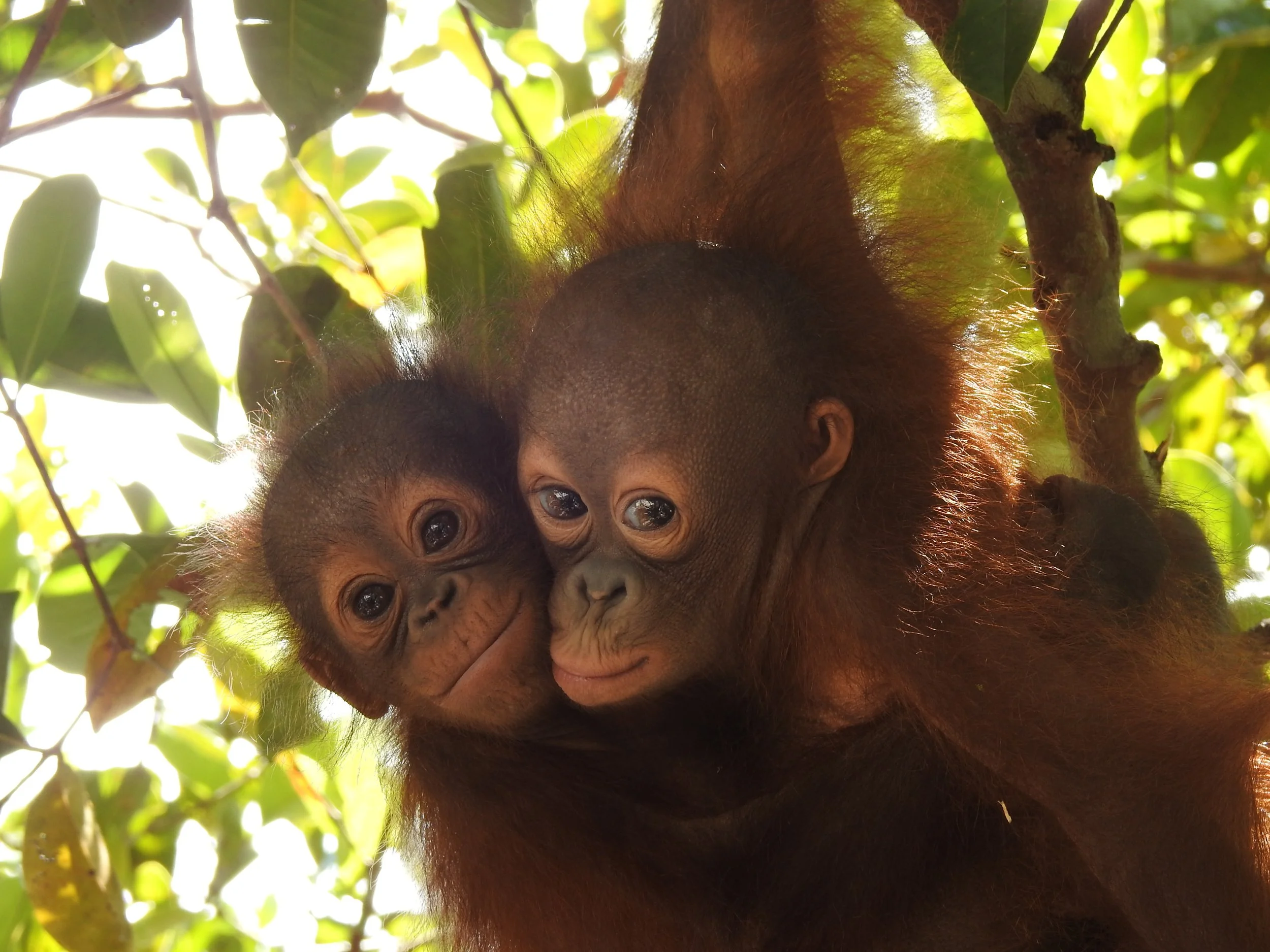
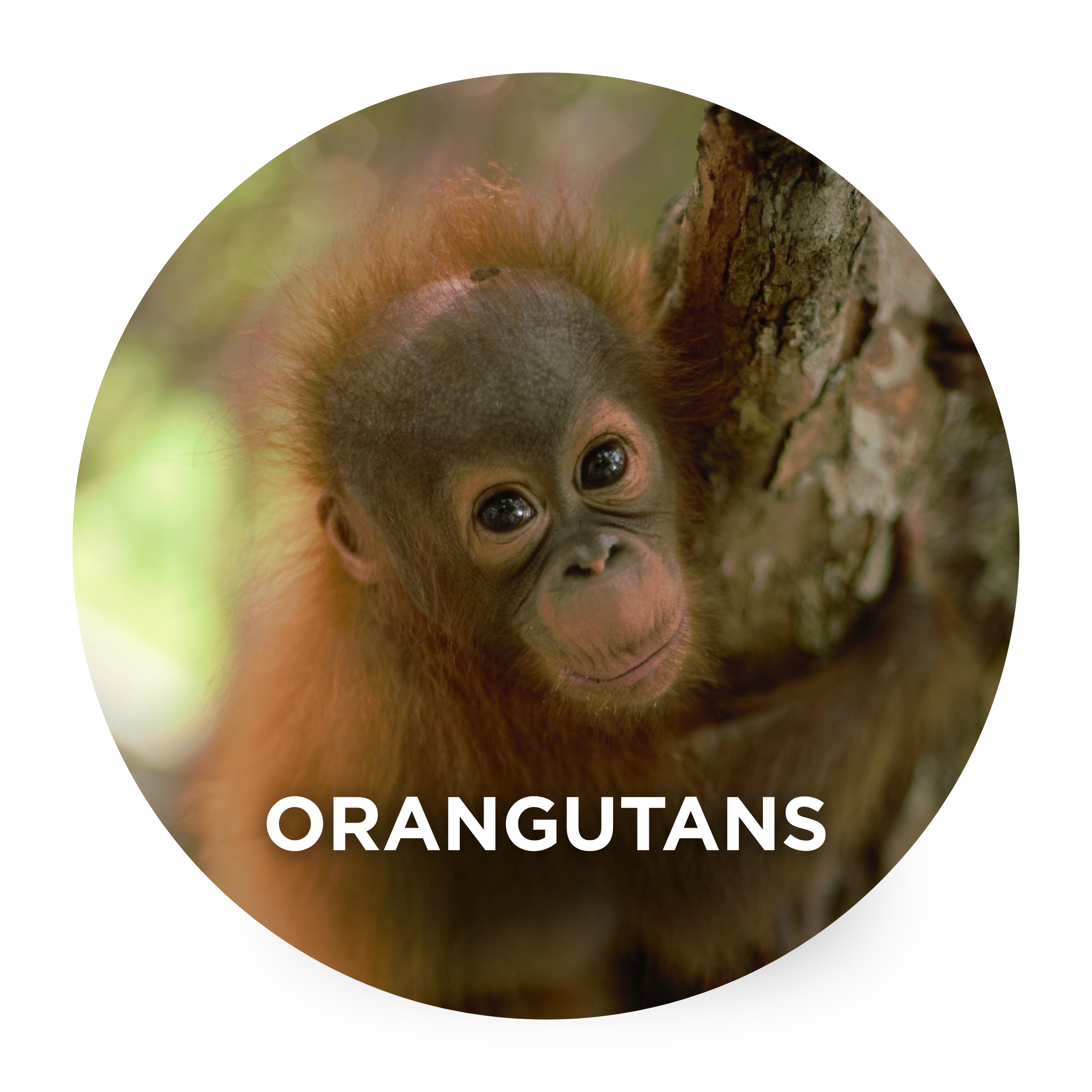
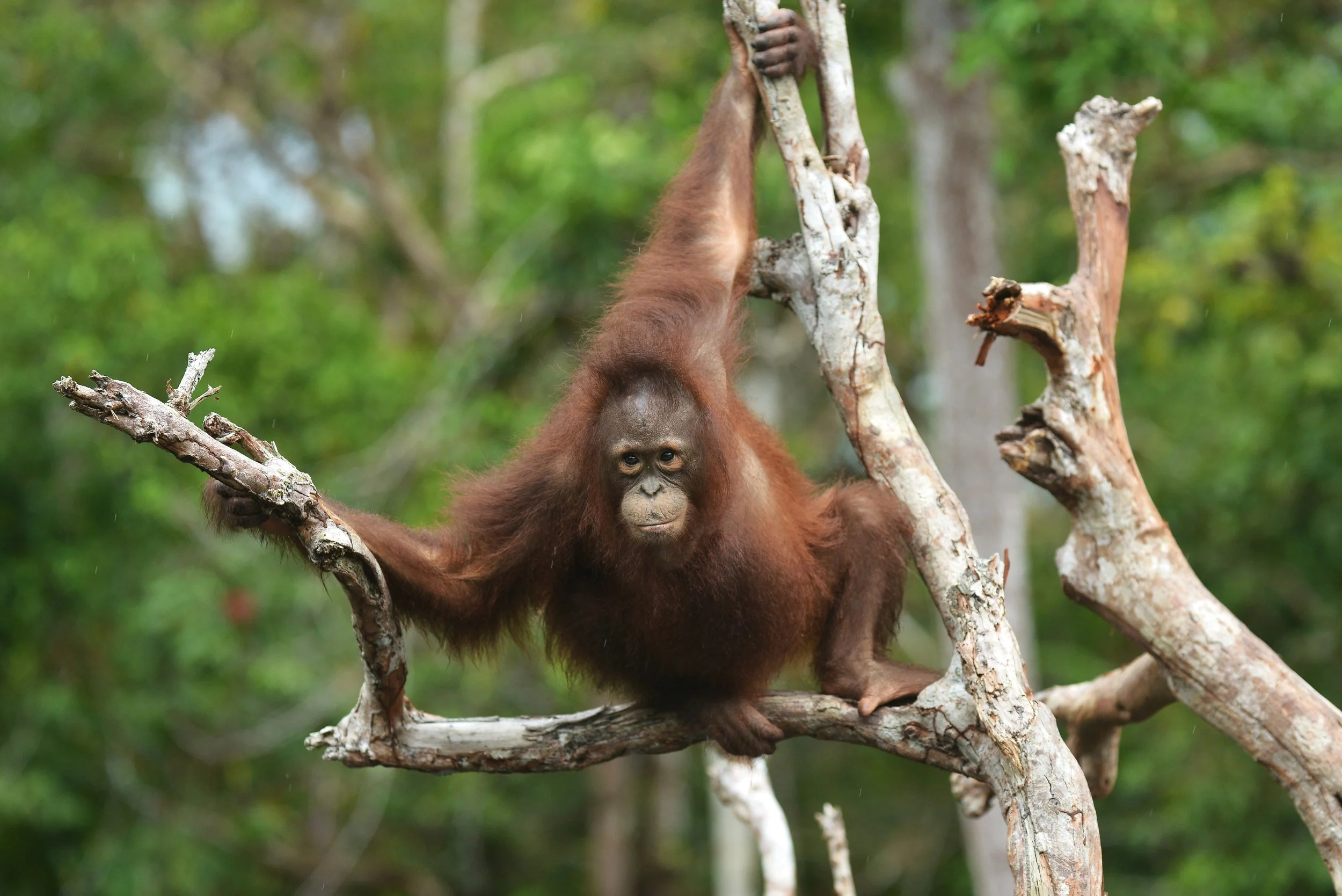
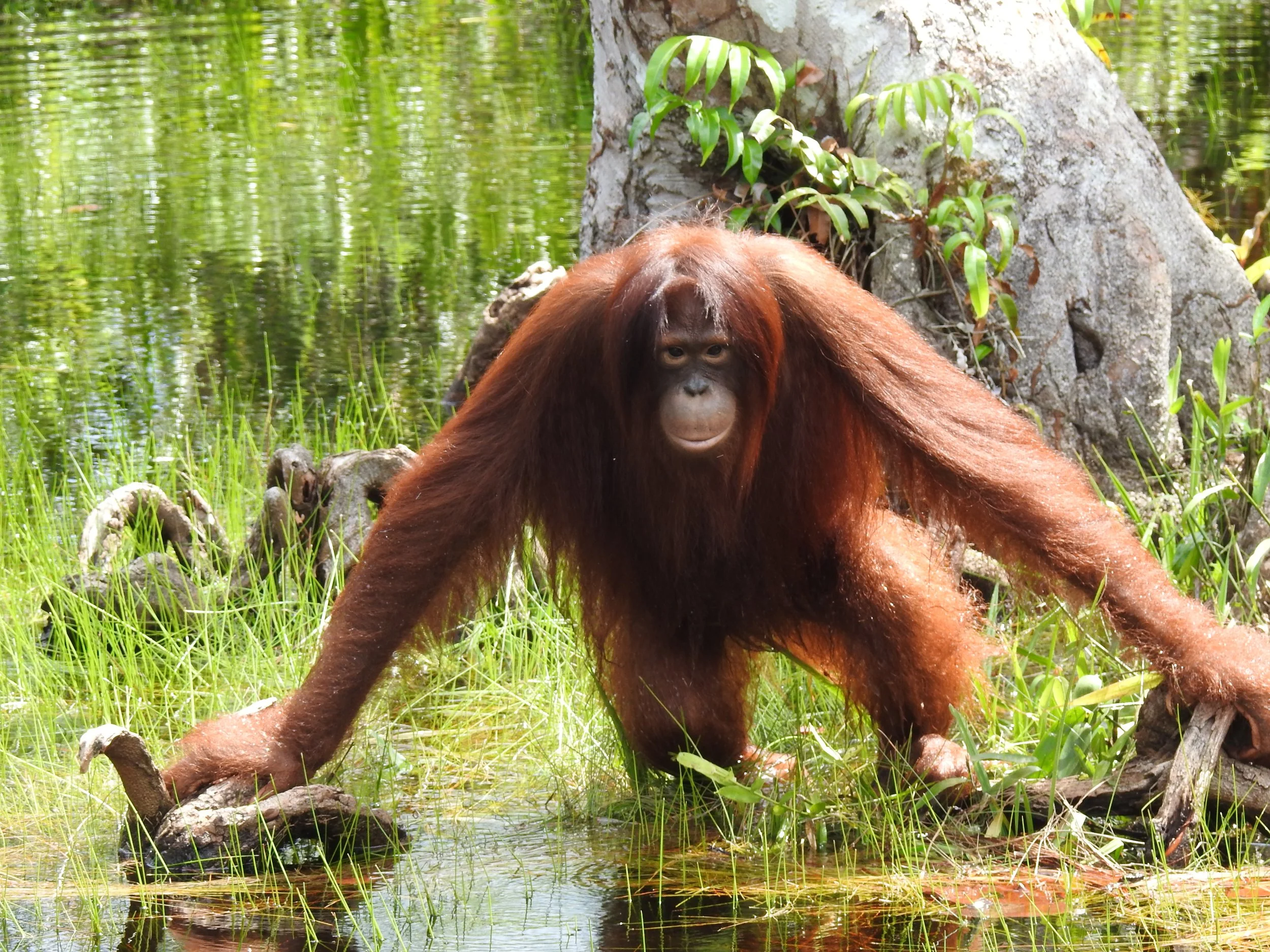
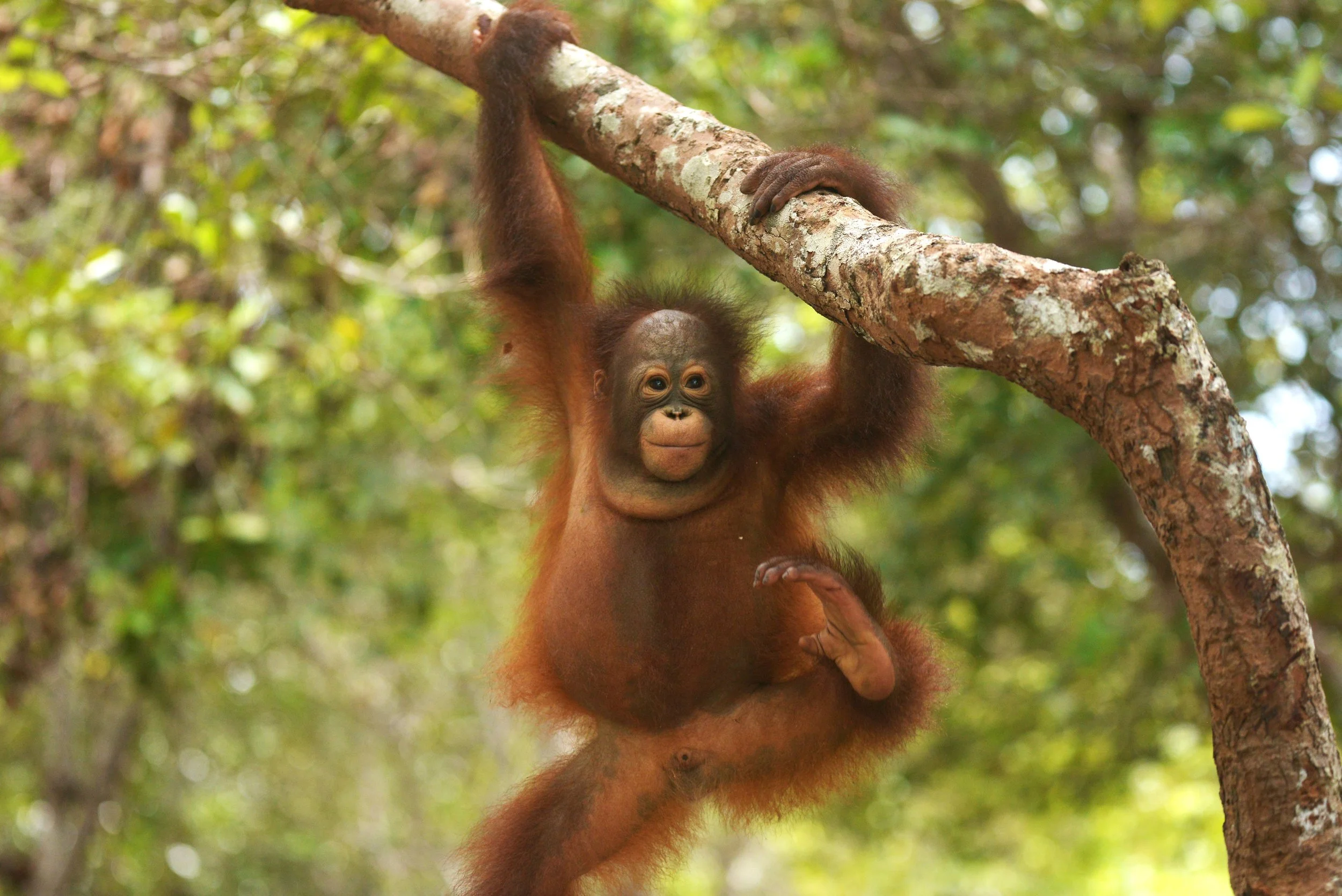
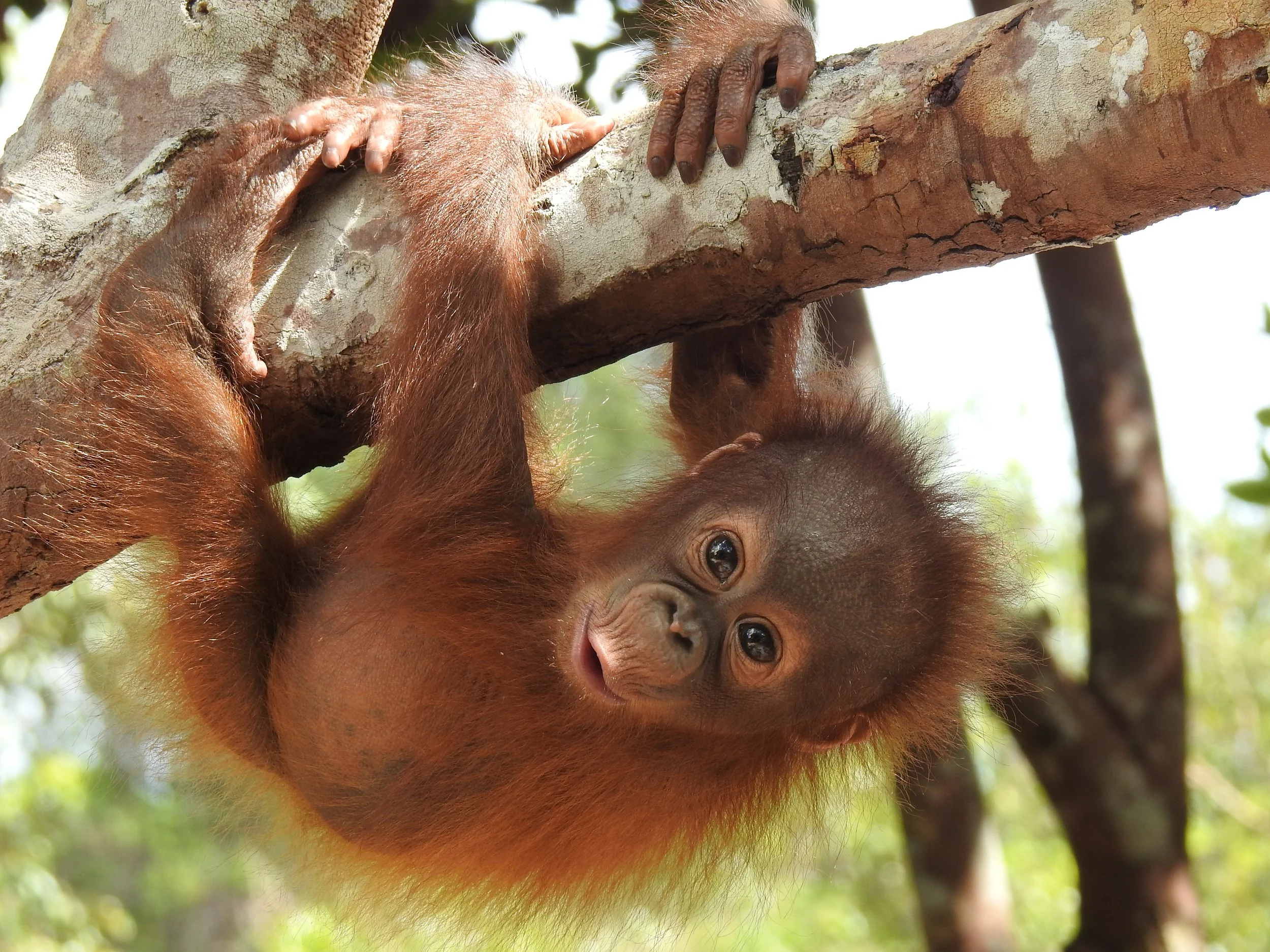
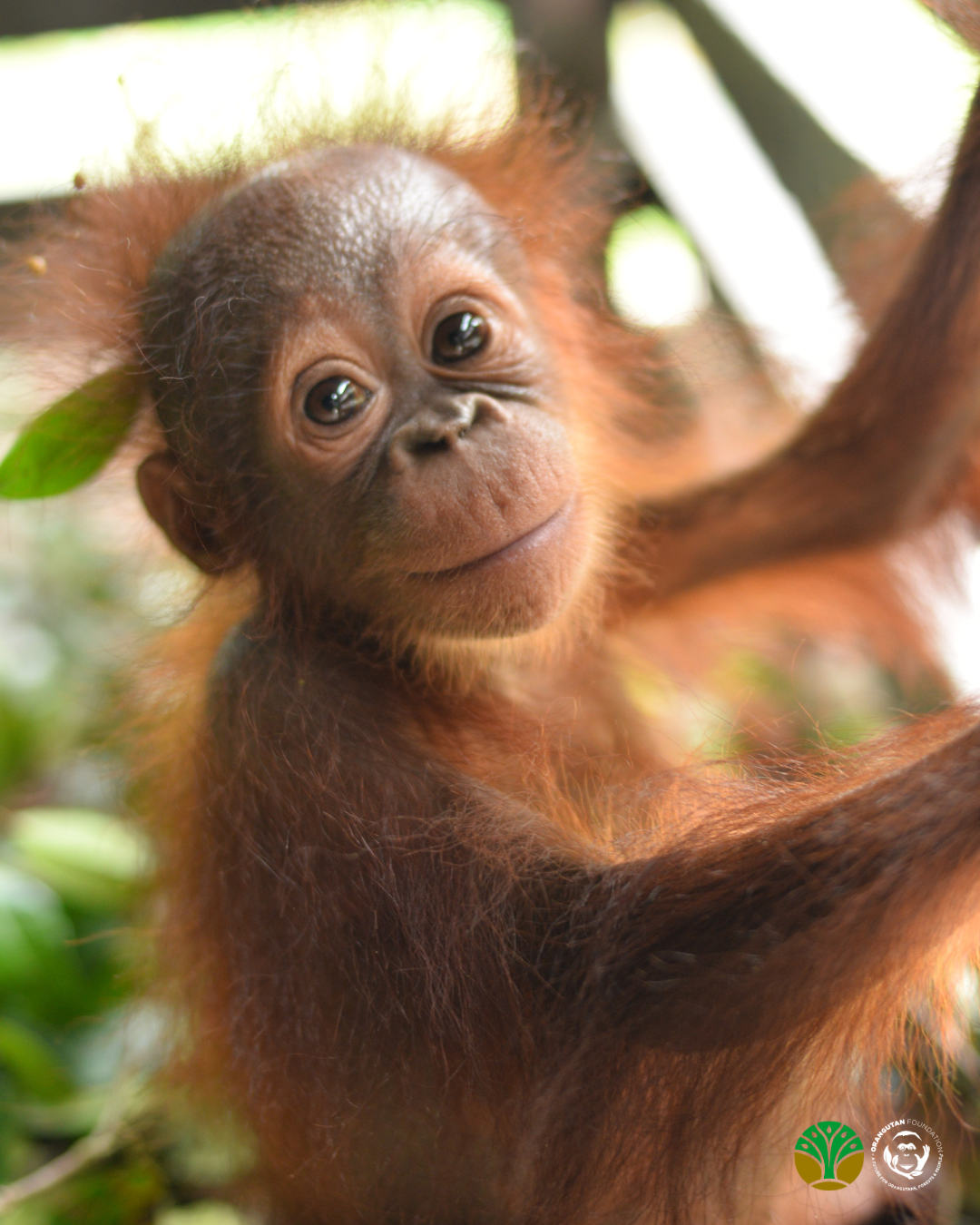
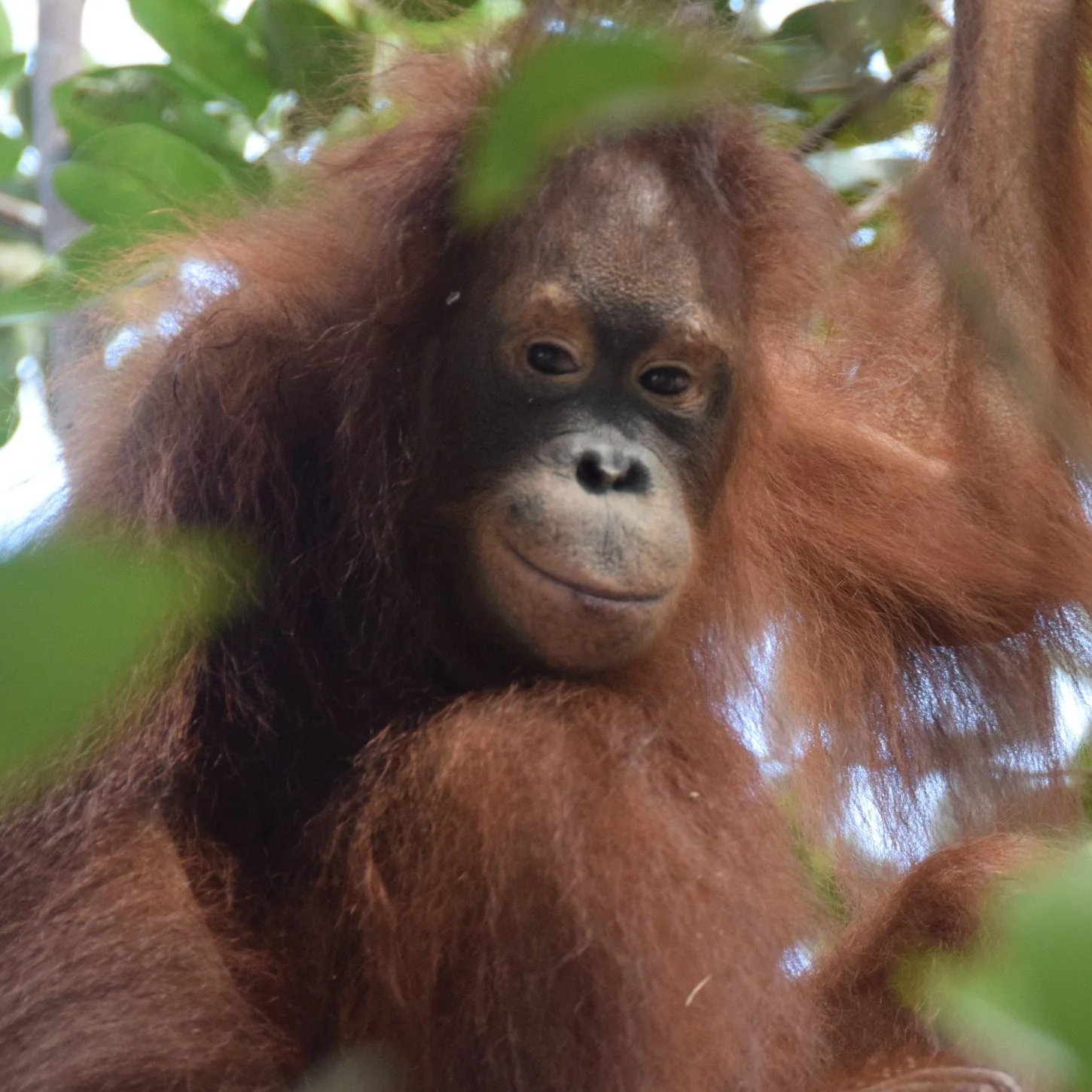
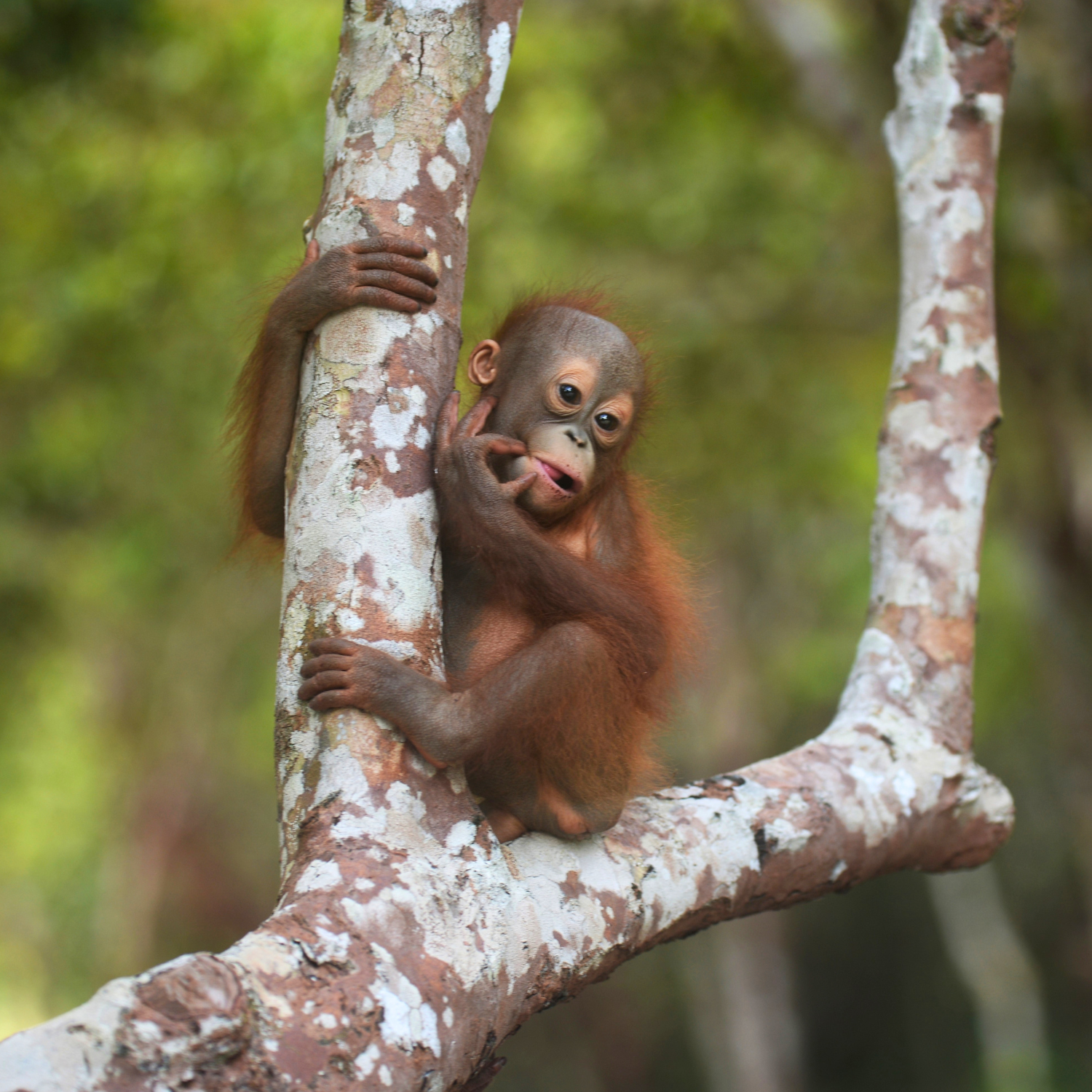
We operate a soft-release programme where orphaned orangutans receive at least five years of care before being reintroduced into the wild. Most of the orphans have been illegally kept as pets.
The soft-release programme is run across our four camps in Lamandau Wildlife Reserve: Camp Buluh, Camp Rasak, Camp JL and Camp Gemini.
Before they can be released, orphaned orangutans must learn three essential skills: climbing, foraging and nest-building. Without a mother to teach them, the process can take many years. During this time, they have a safe place to sleep, and are taken to the surrounding forest every day to practise the skills they will need for an independent life in the wild. Monthly routine check-ups by our veterinarians ensure all individuals remain in good health.
OUR SOFT RELEASE PROGRAMME
MEET THE ORPHANS IN OUR CARE
Post-release monitoring programme
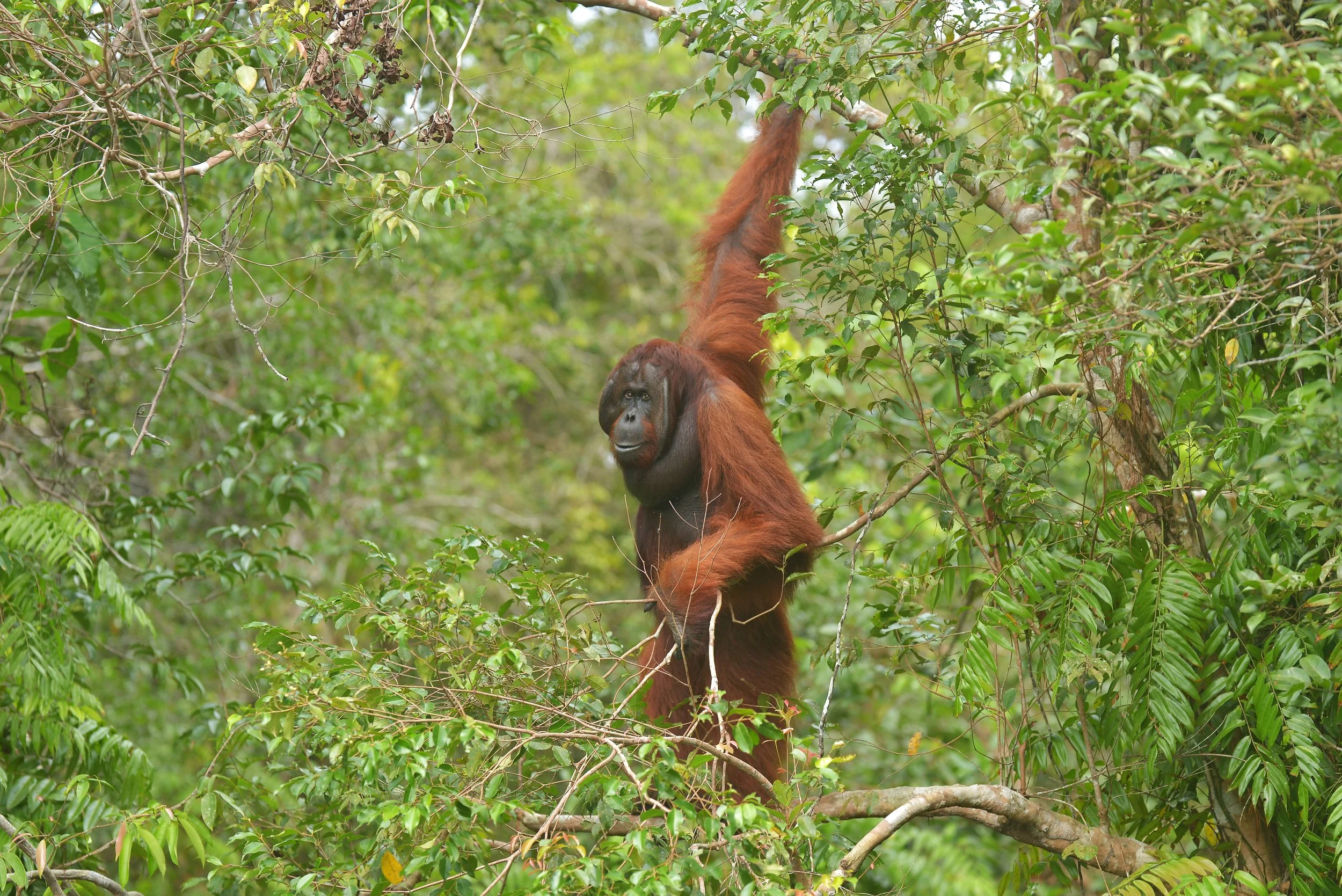
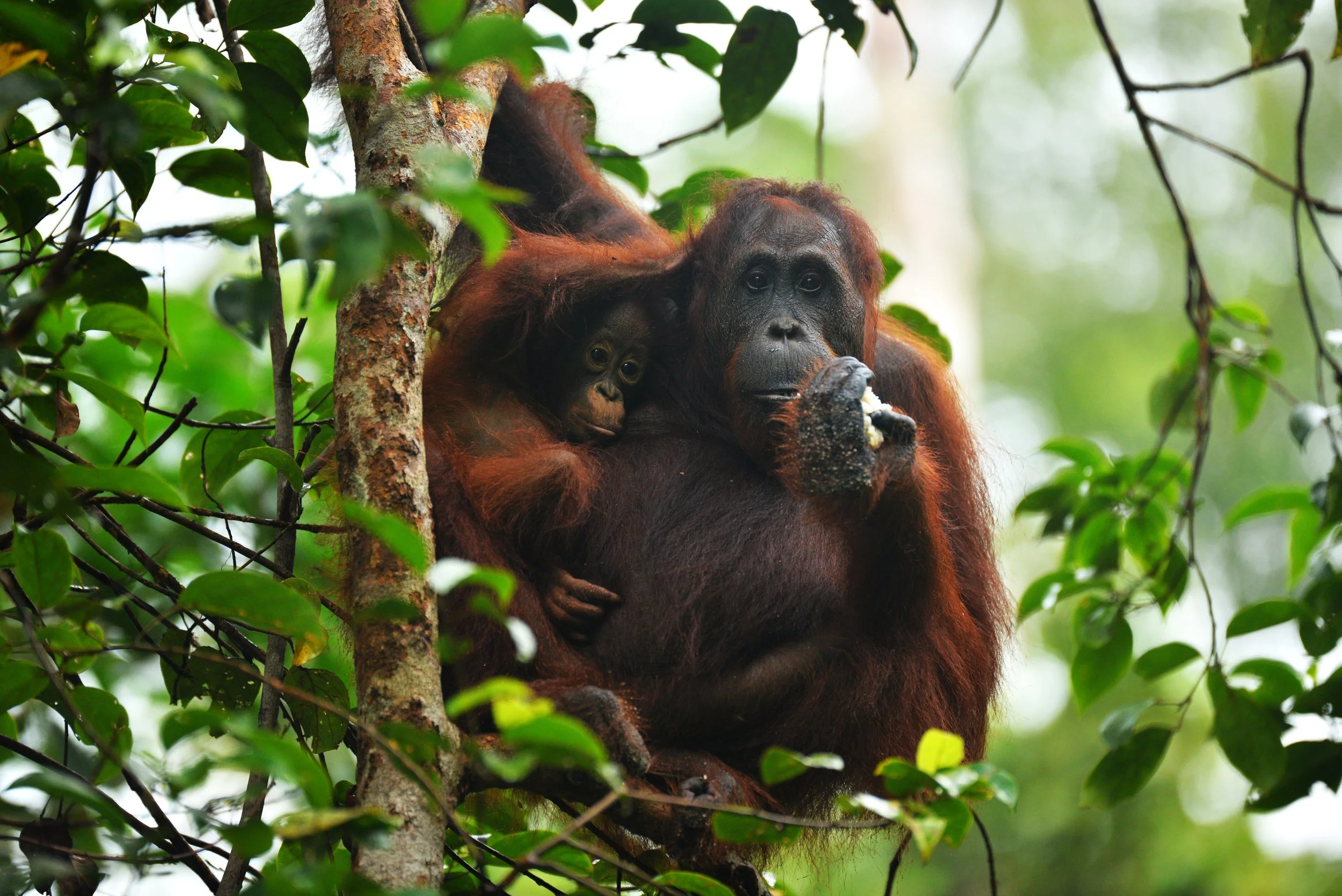
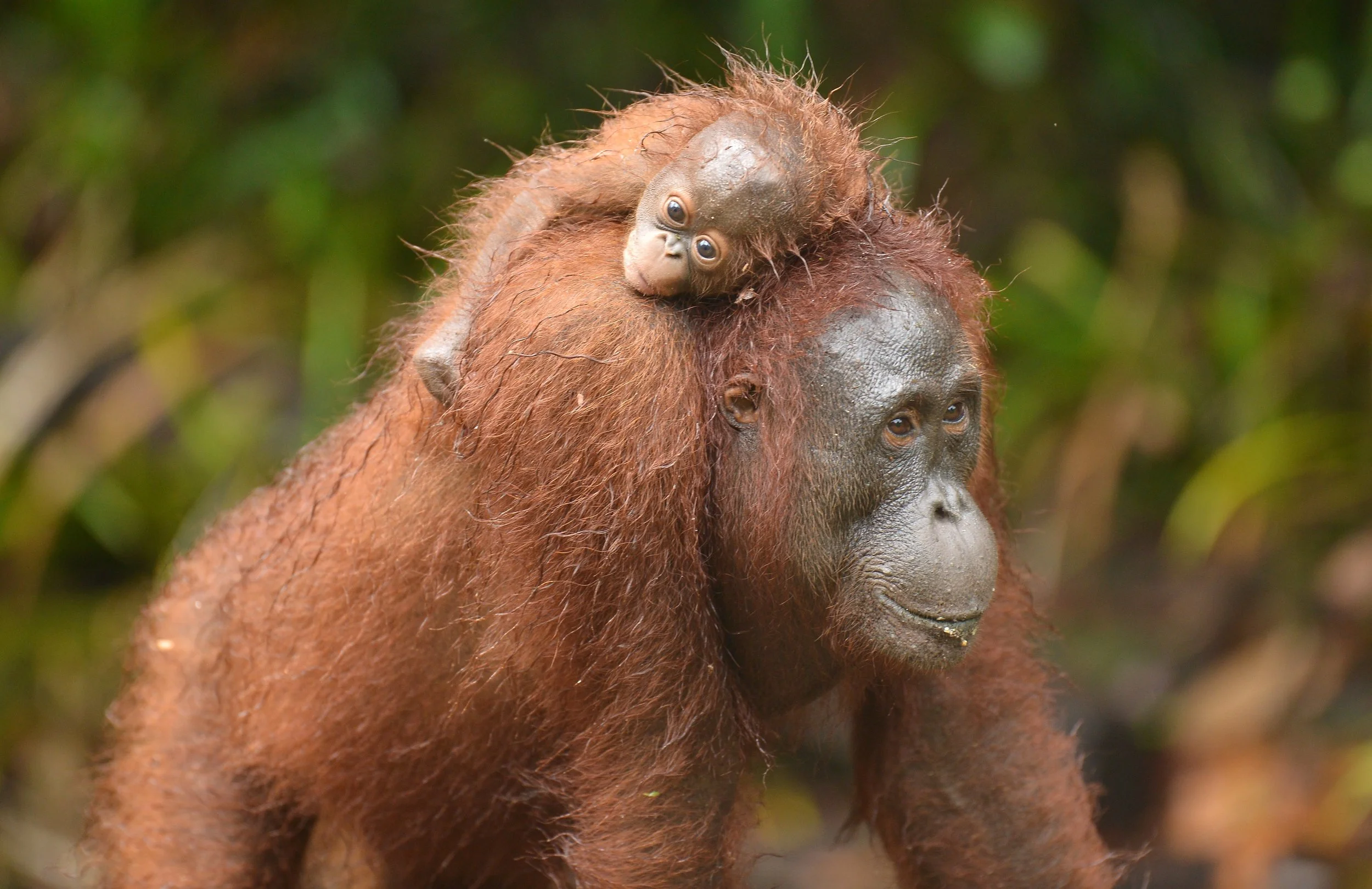
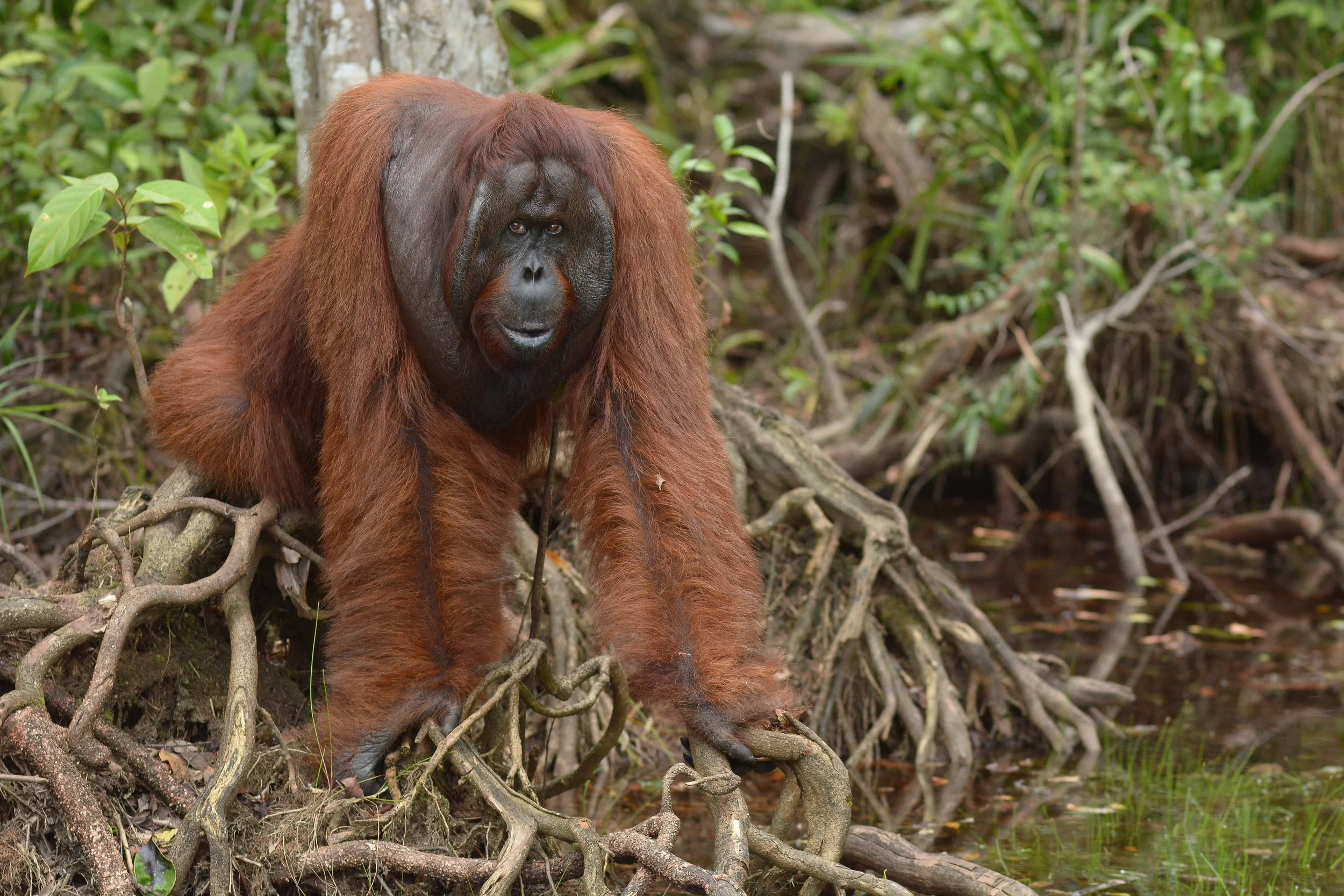
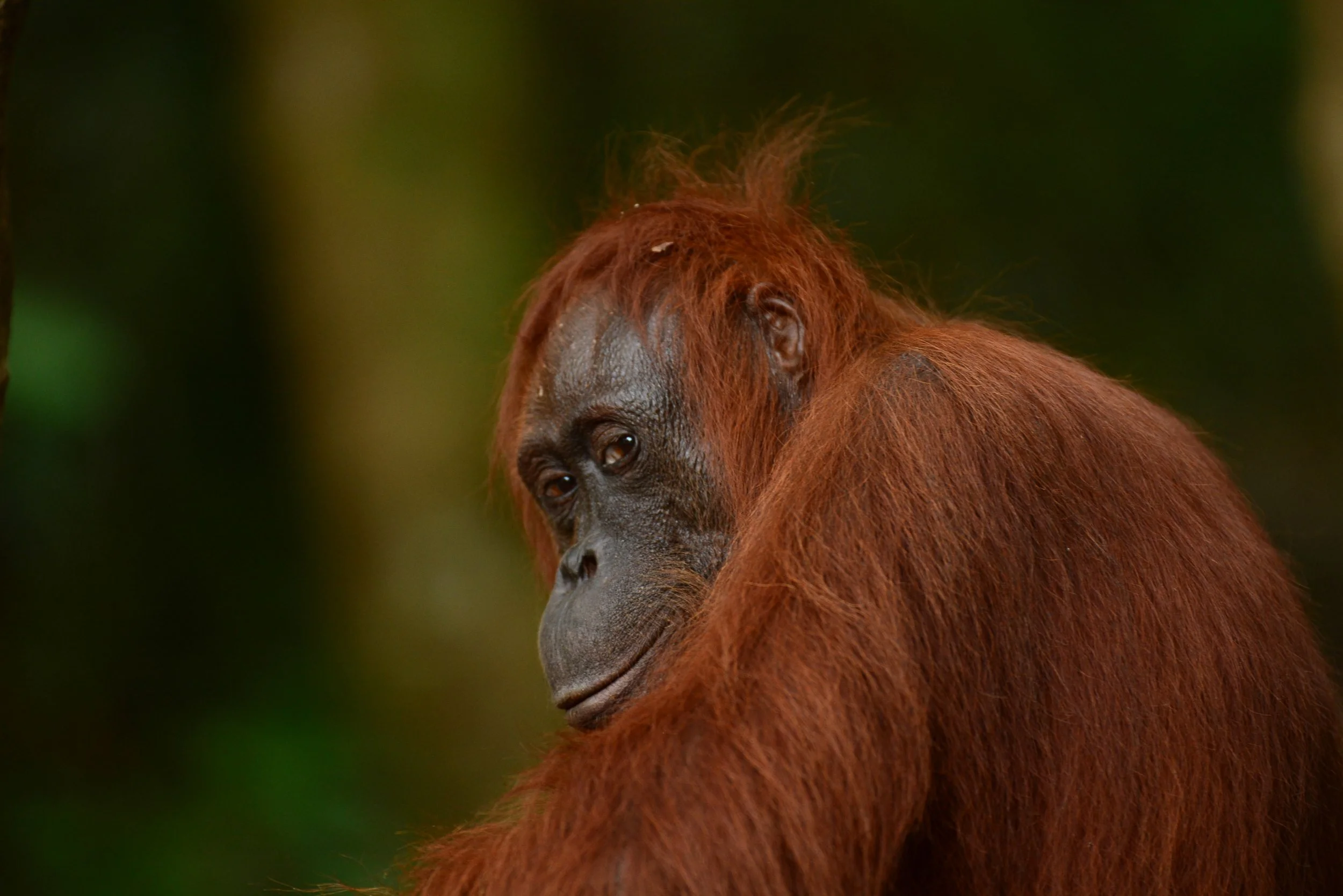
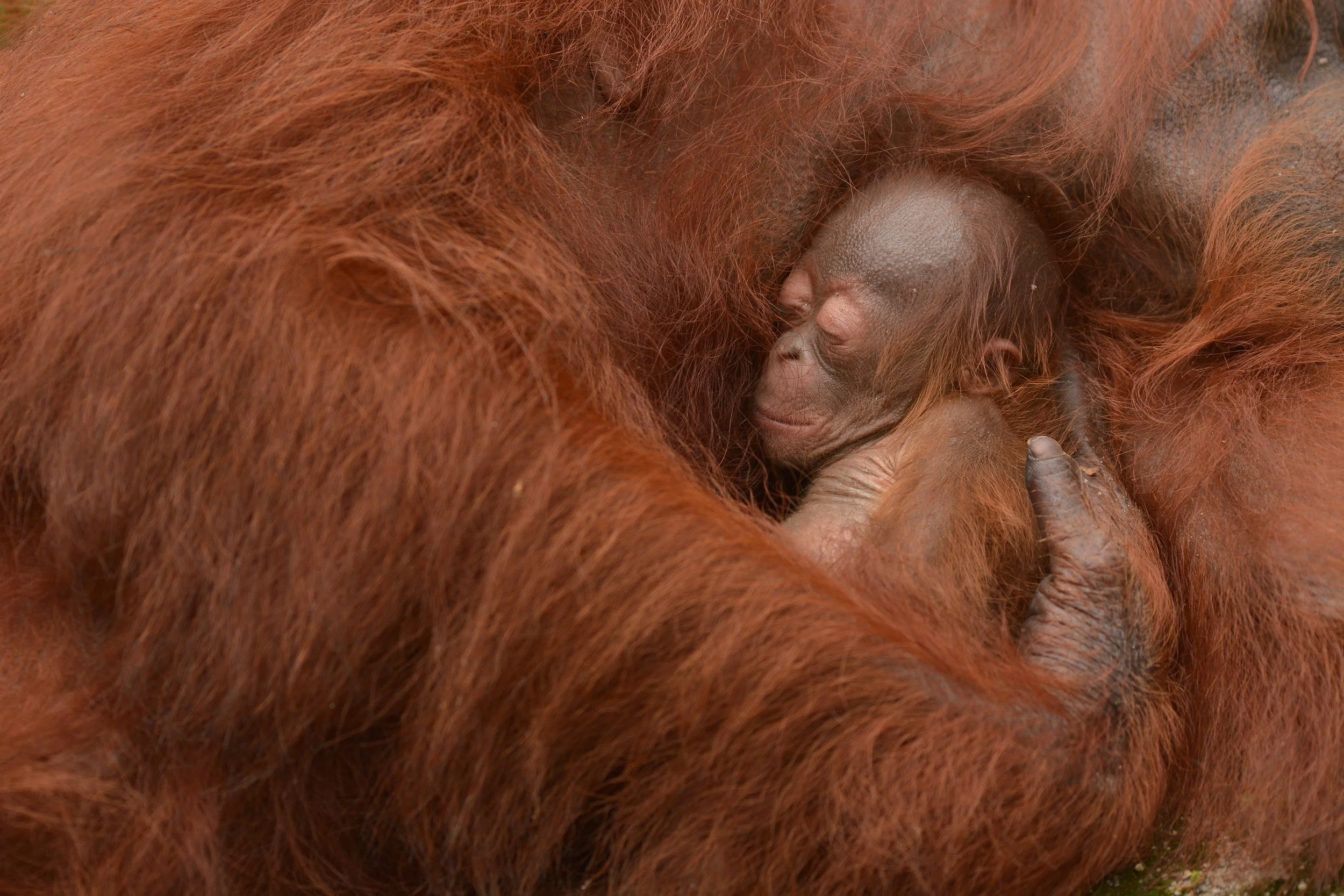
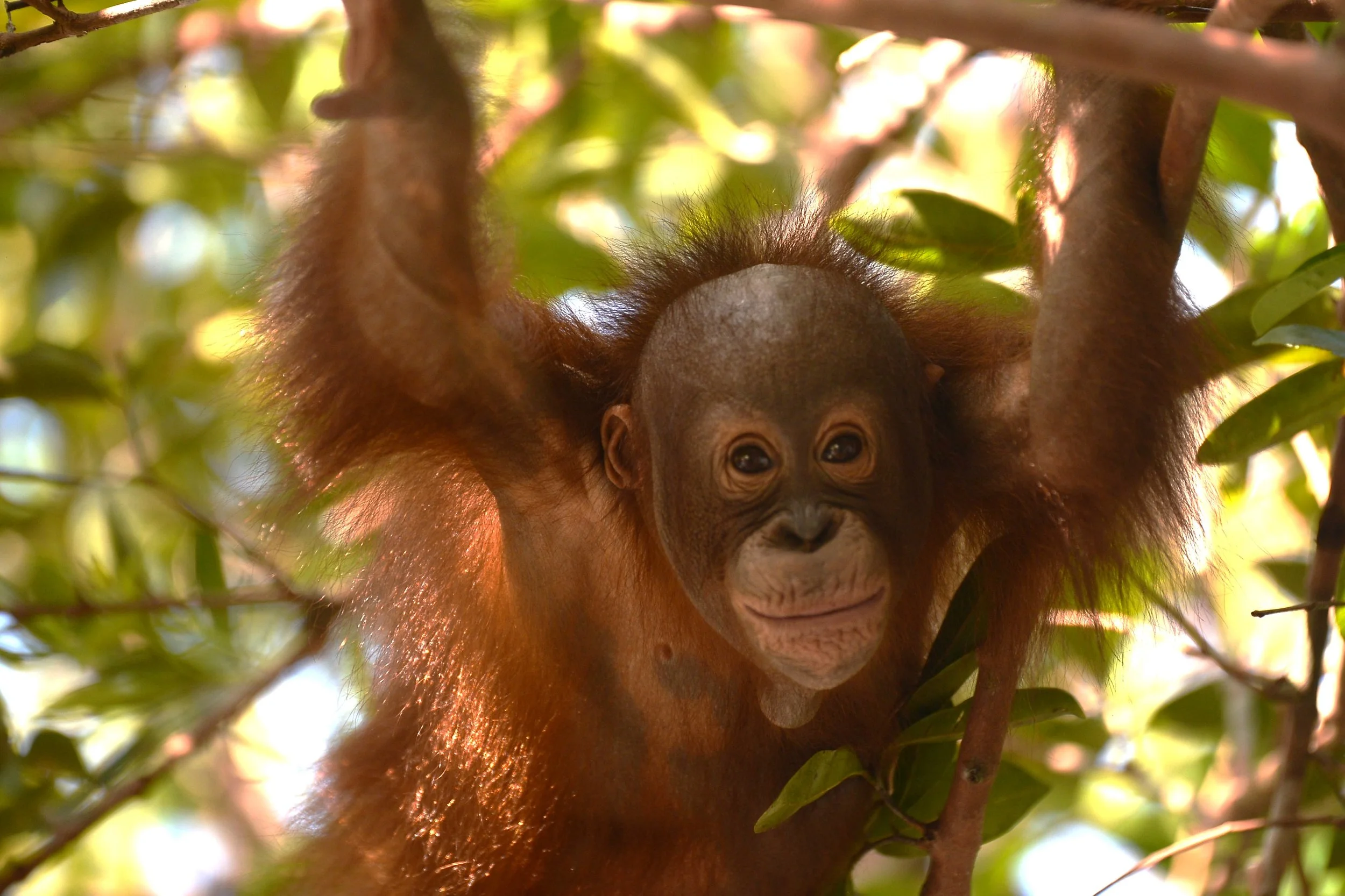
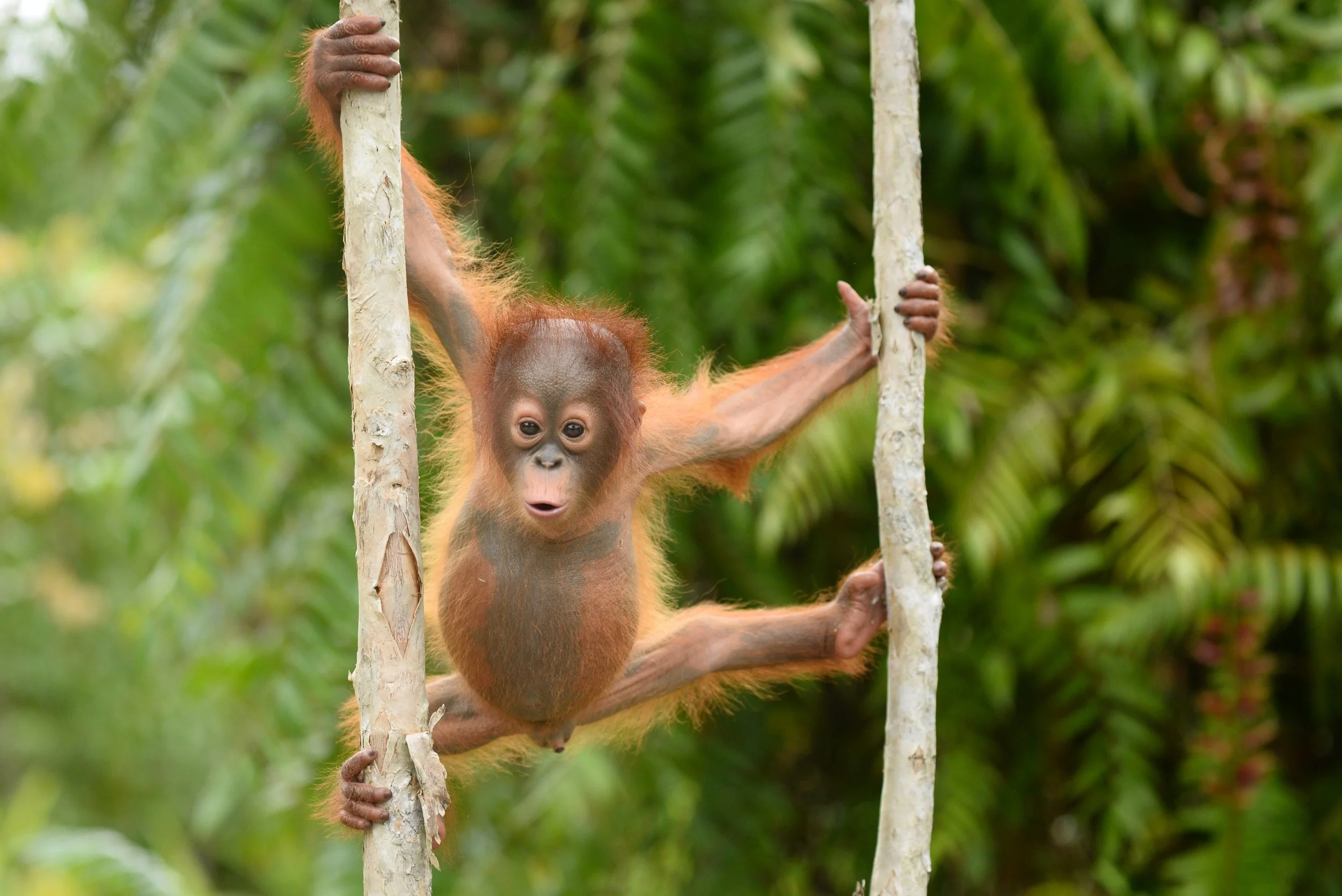
We aim to return all of the orangutans in our soft-release programme back to the wild, but their journey does not end there.
Our four camps in Lamandau Wildlife Reserve also serve as post-release monitoring sites, where orangutans that have been previously returned to the wild can be monitored throughout their lives. This enables us to track the progress of orangutans following their release, to ensure they are adjusting well to life in the wild.
Importantly, post-release monitoring allows us to follow new mothers as they raise the next generation of wild orangutans. in fact, it’s thanks to this monitoring that we have been able to record over 100 wild births to ex-captive orangutan mothers. This marks a hugely significant contribution to the wild population of these critically endangered apes.
Rescue and release
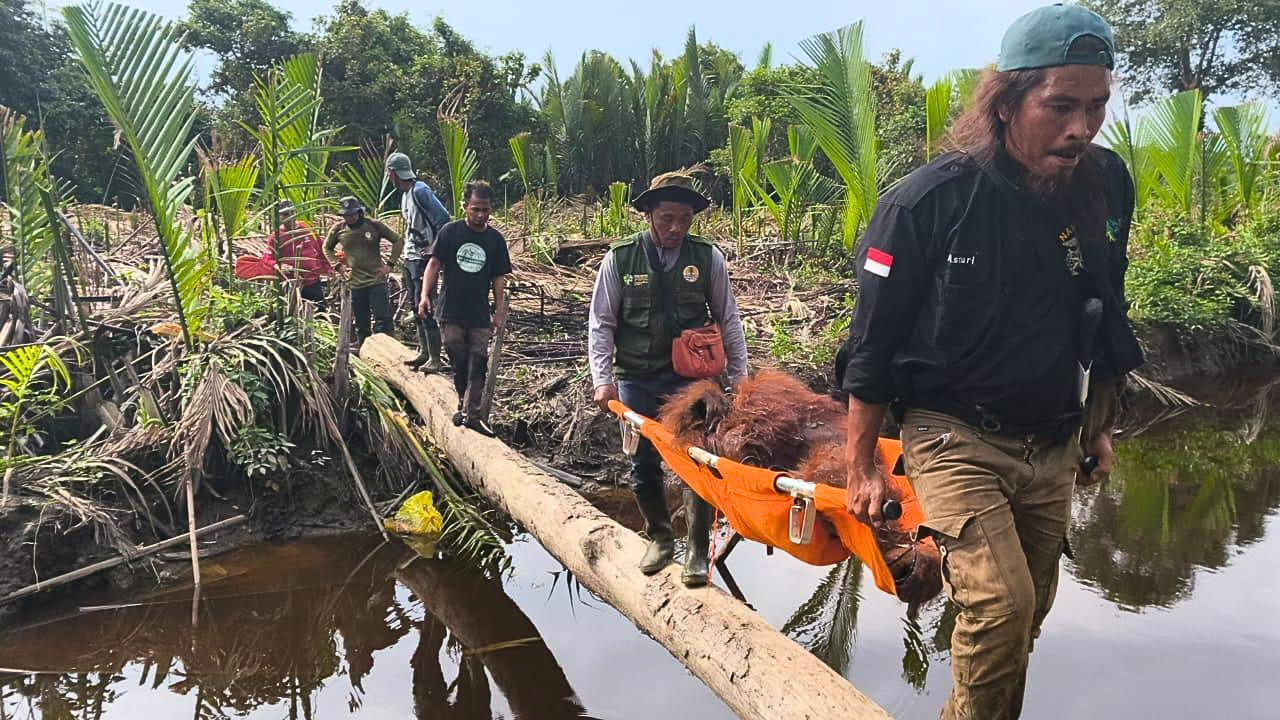
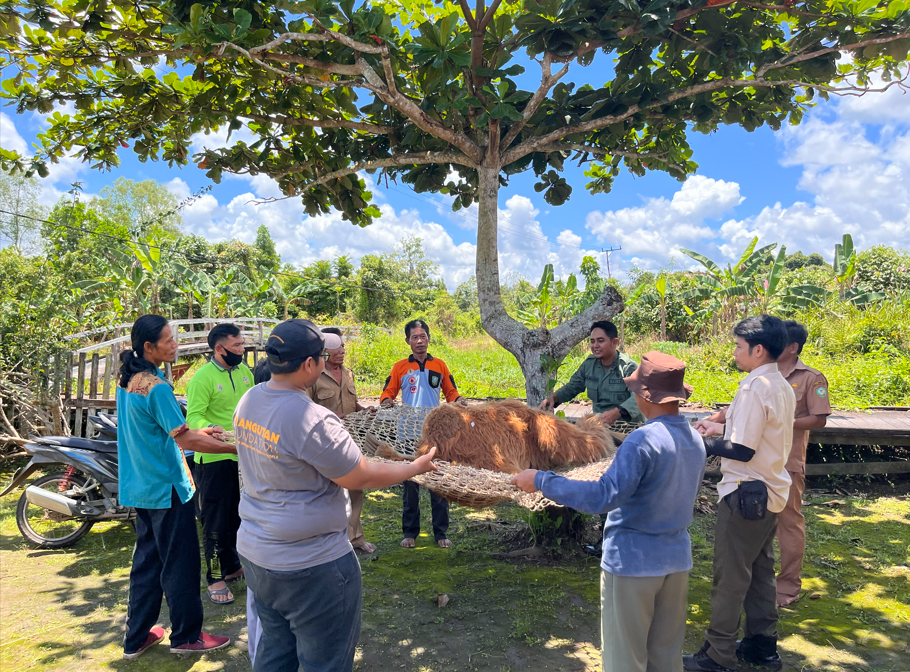
When displaced orangutans become stranded outside of forest areas, our team in Indonesia are on call to assist BKSDA (Natural Resources Conservation Agency for Central Kalimantan), with orangutan rescues.
When we are called to a rescue, our team always tries to encourage the orangutan back into the forest. If unsuccessful, and only when absolutely necessary, the orangutan is safely tranquilised by our veterinary team and translocated to a suitable protected area.
FORESTS
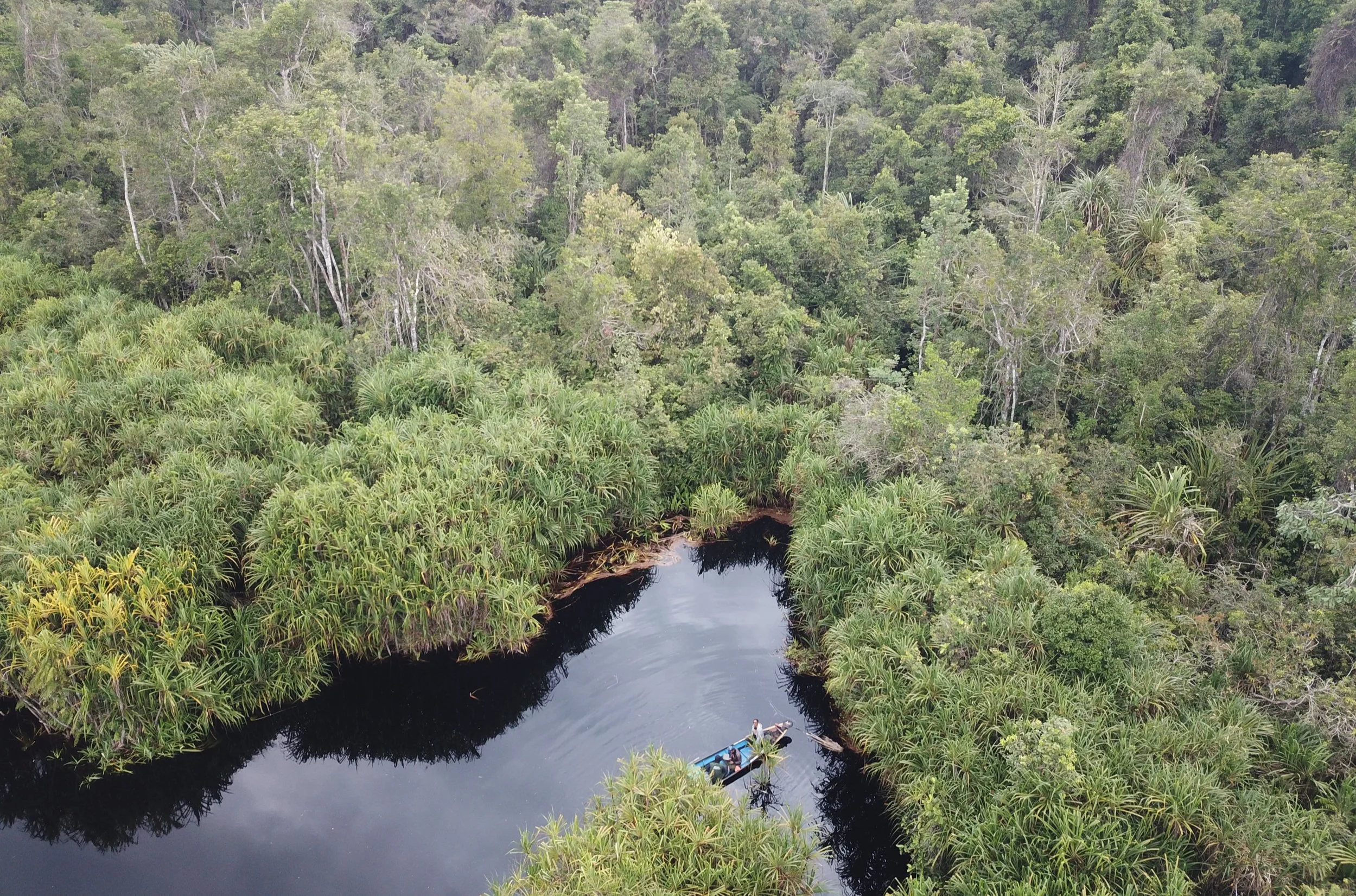
HABITAT PROTECTION
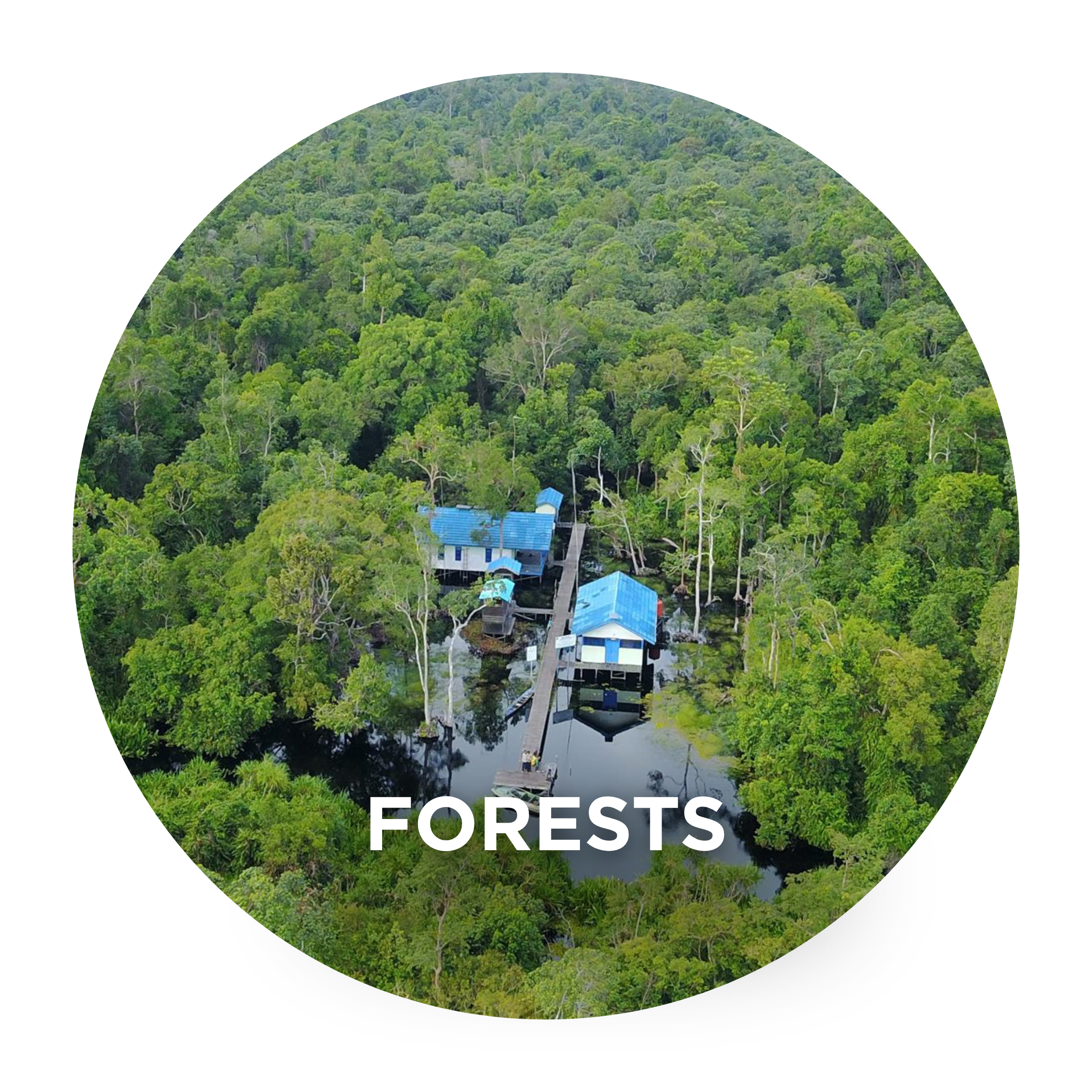
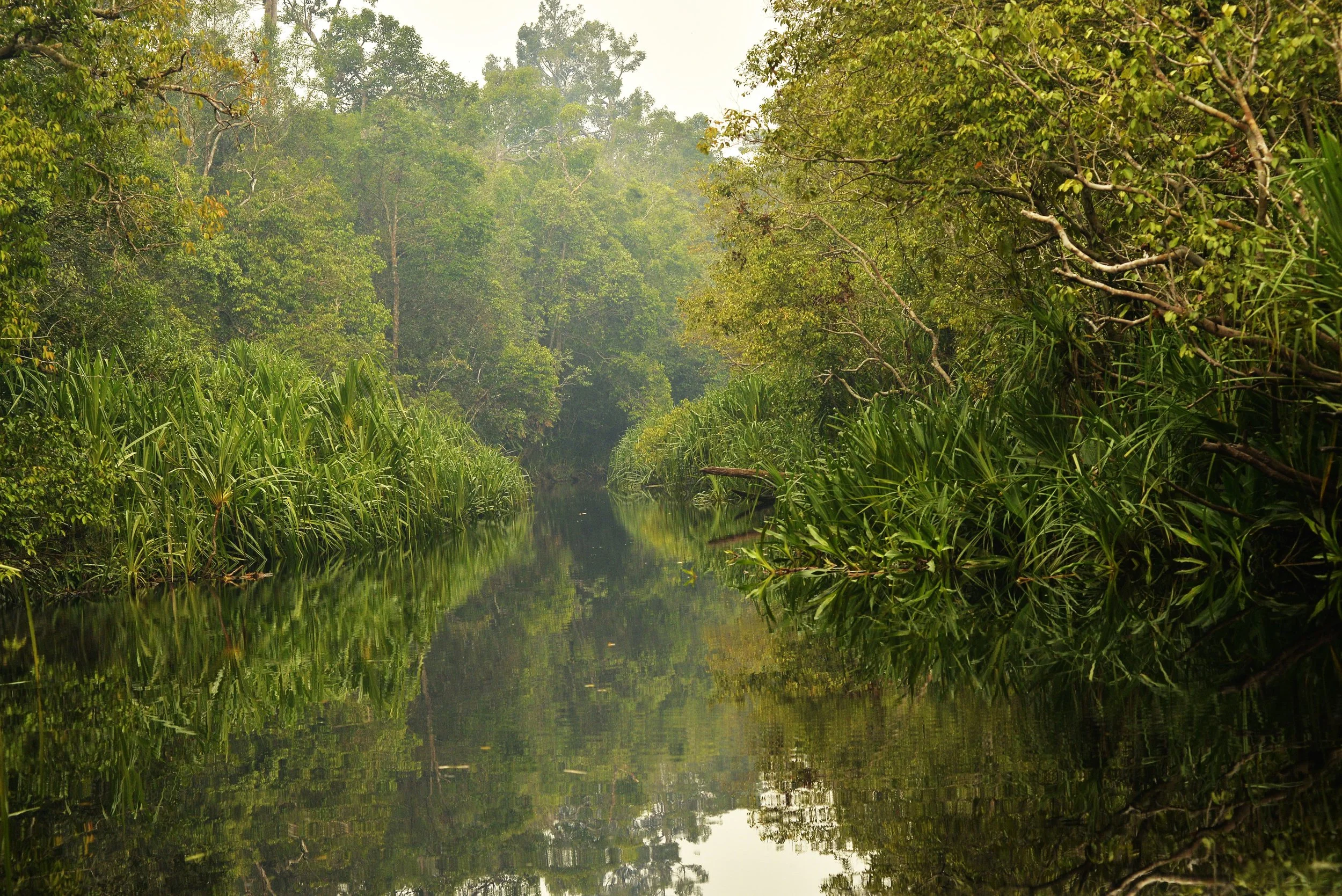
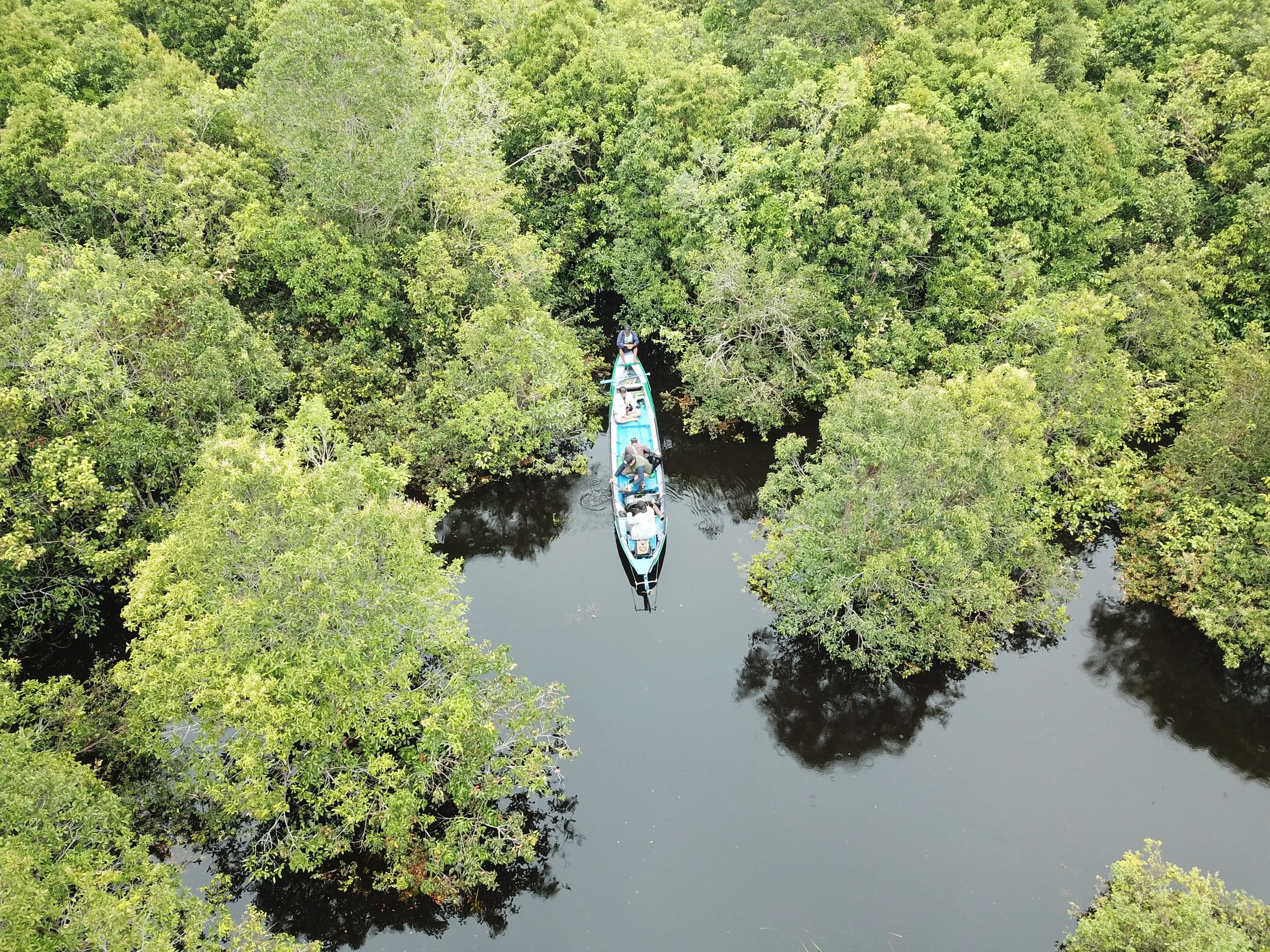
We protect over 500,000 acres of critical forest habitat in Lamandau Wildlife Reserve and Tanjung Puting National Park, home to orangutans and countless other species.
We protect this habitat through:
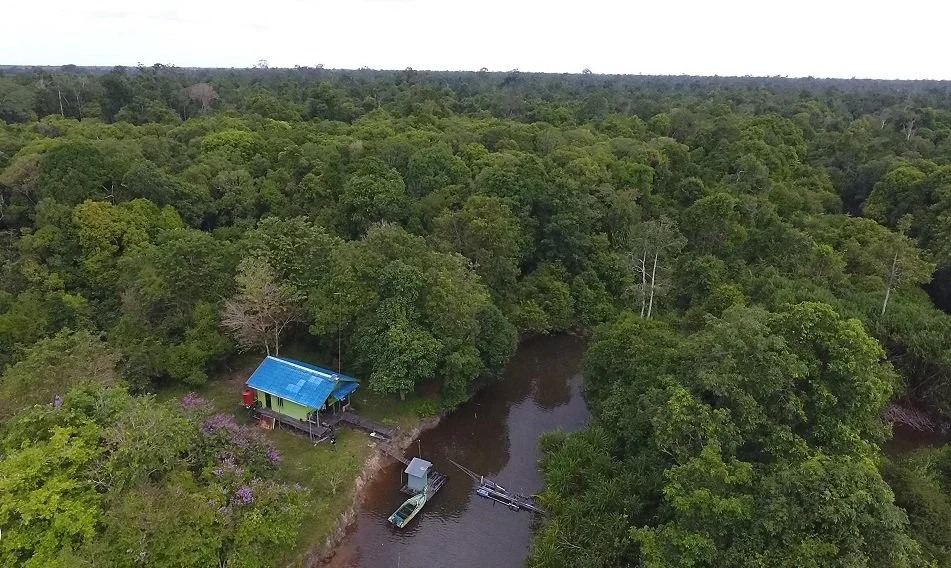
10 guard posts in Lamandau Wildlife Reserve
2 guard posts in Tanjung Puting National Park
Regular patrols by foot and by boat
Drone surveys
SMART technology to map activities and habitat
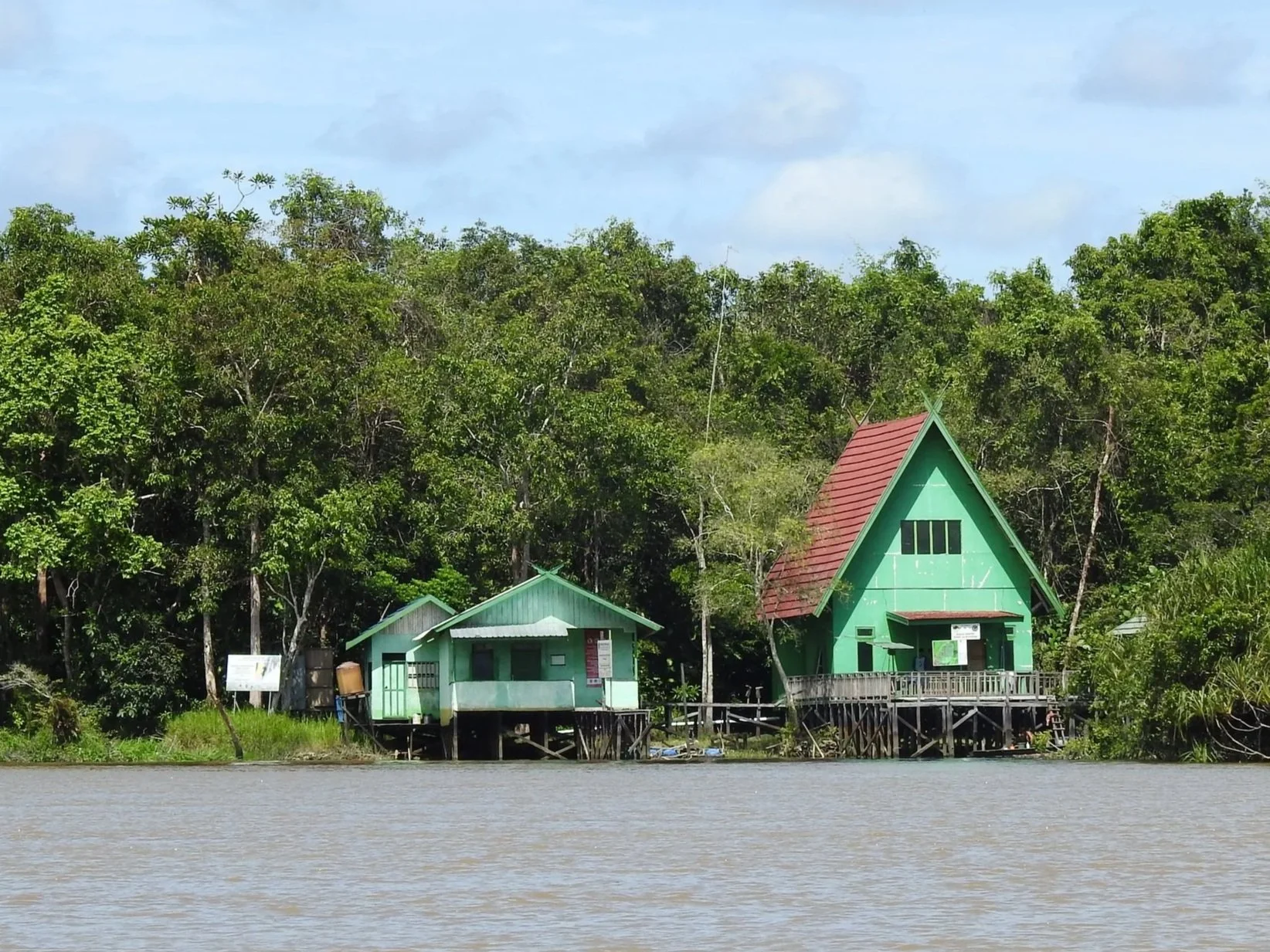
Guard post in Lamandau Wildlife Reserve
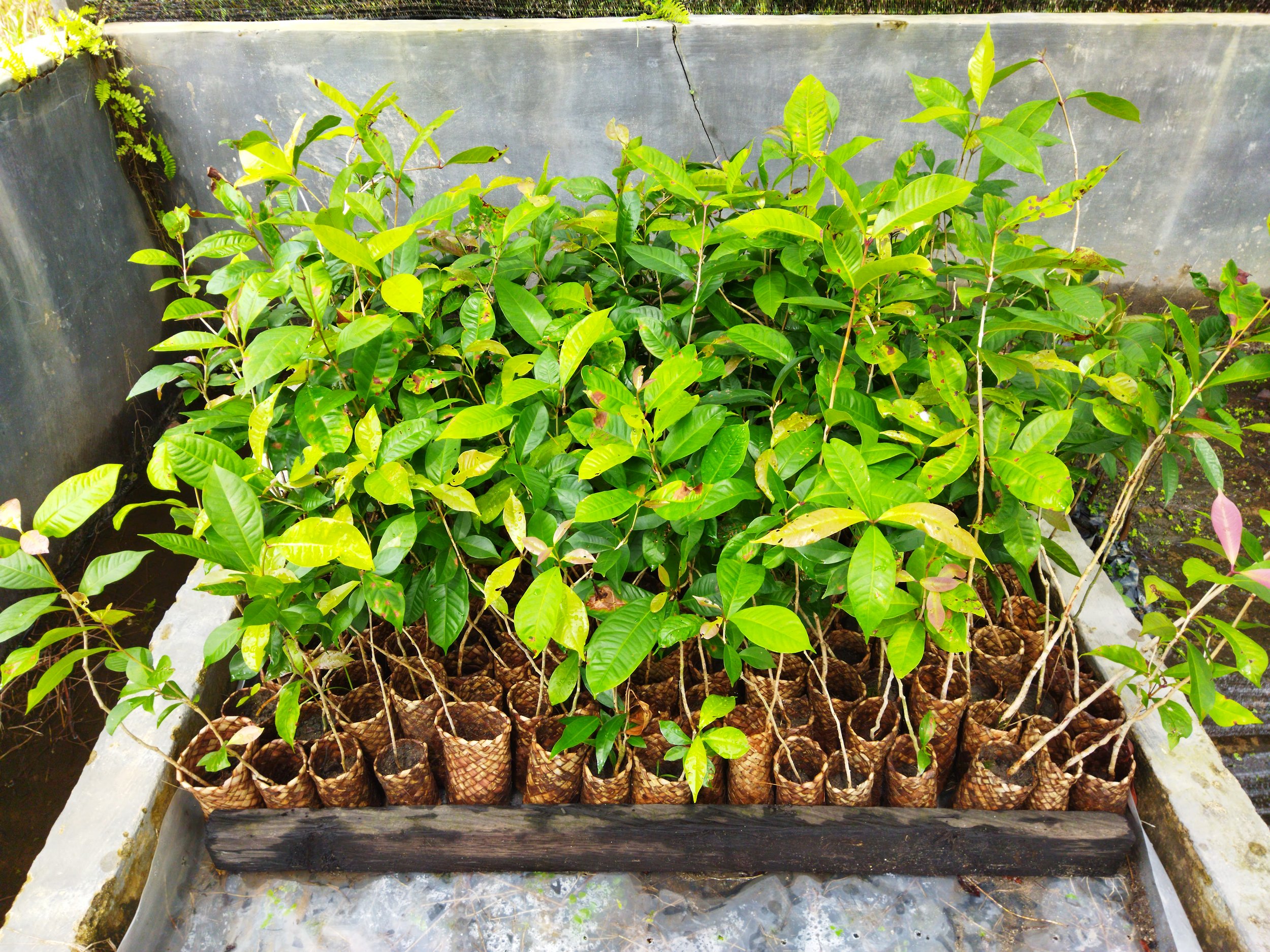
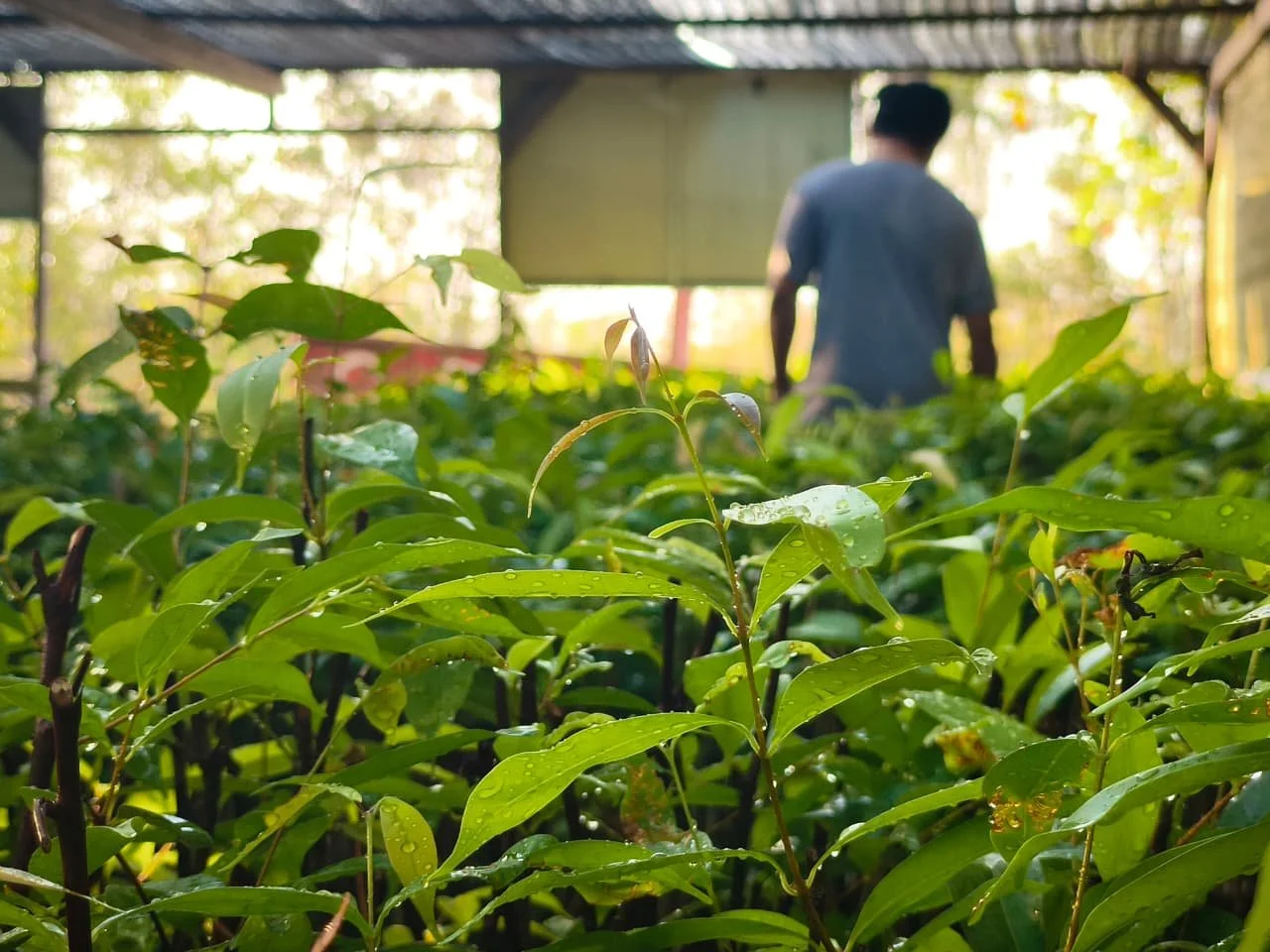
Tree saplings in ecobags
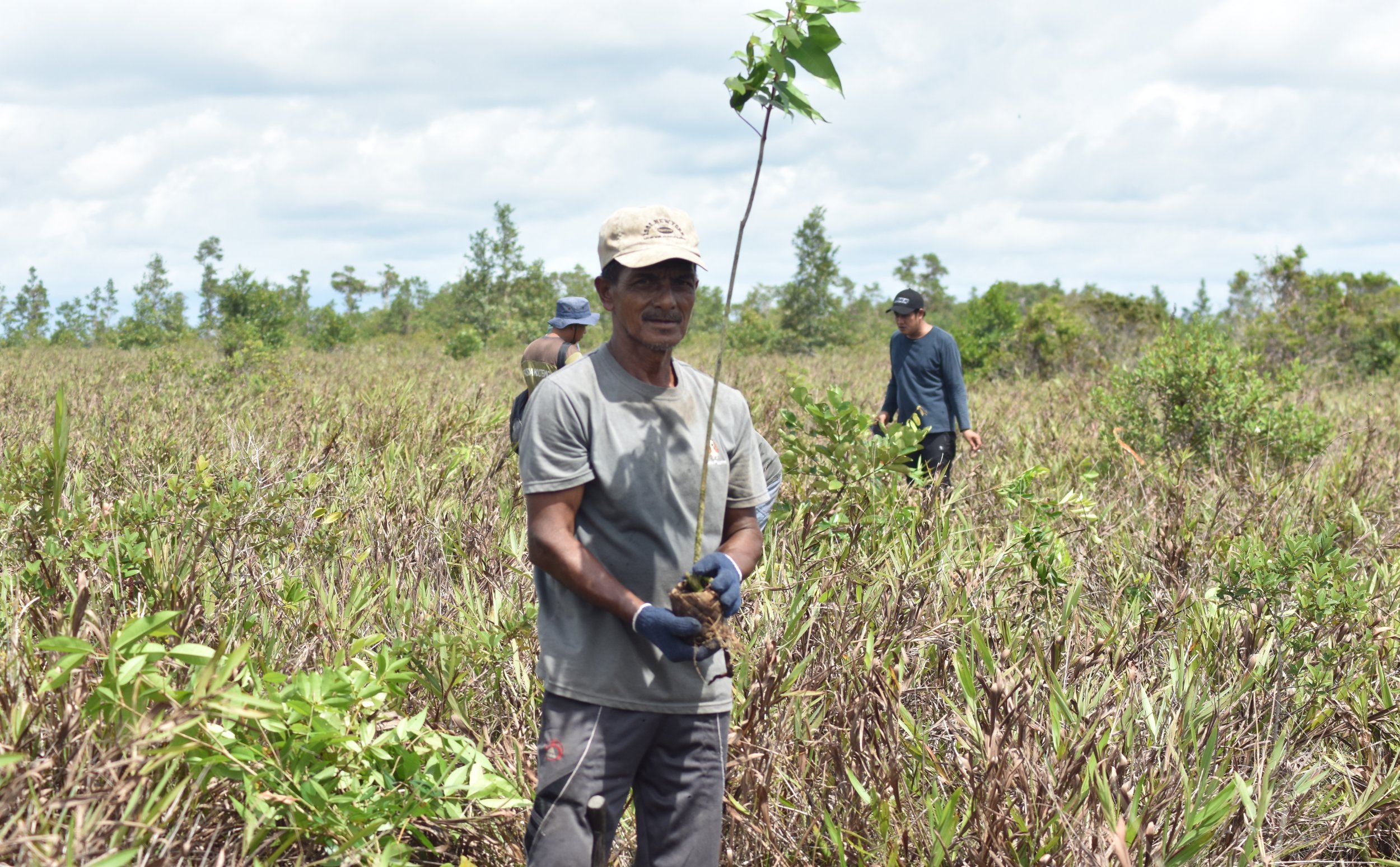
REFORESTATION
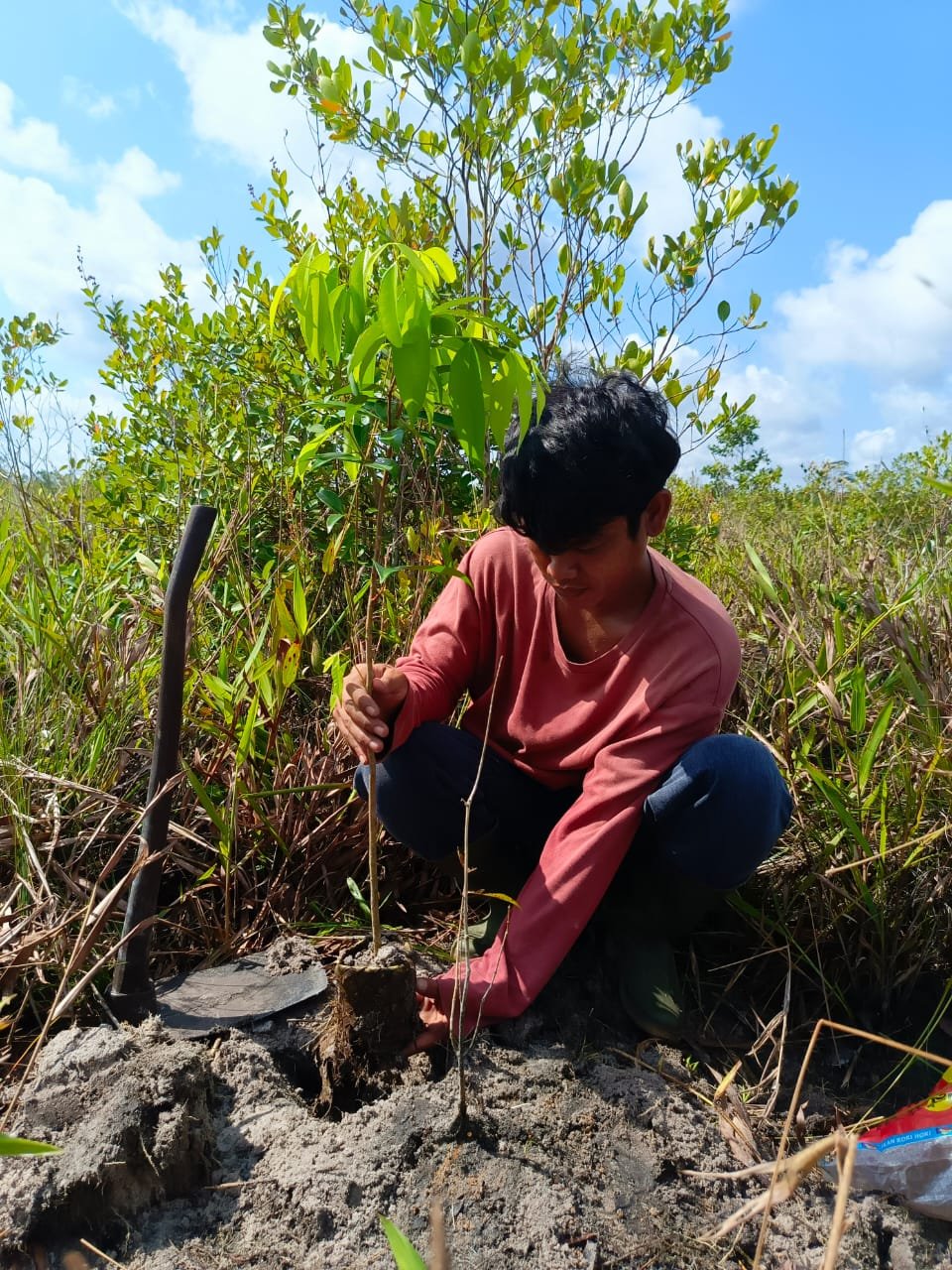
We manage 4 nurseries to help restore degraded forest in Lamandau Wildlife Reserve. Previously a logging concession, much of the forest was destroyed.
46,500 saplings grown and planted annually into degraded forest
Over 330,000 saplings planted since 2015
Support of sustainable livelihoods through:
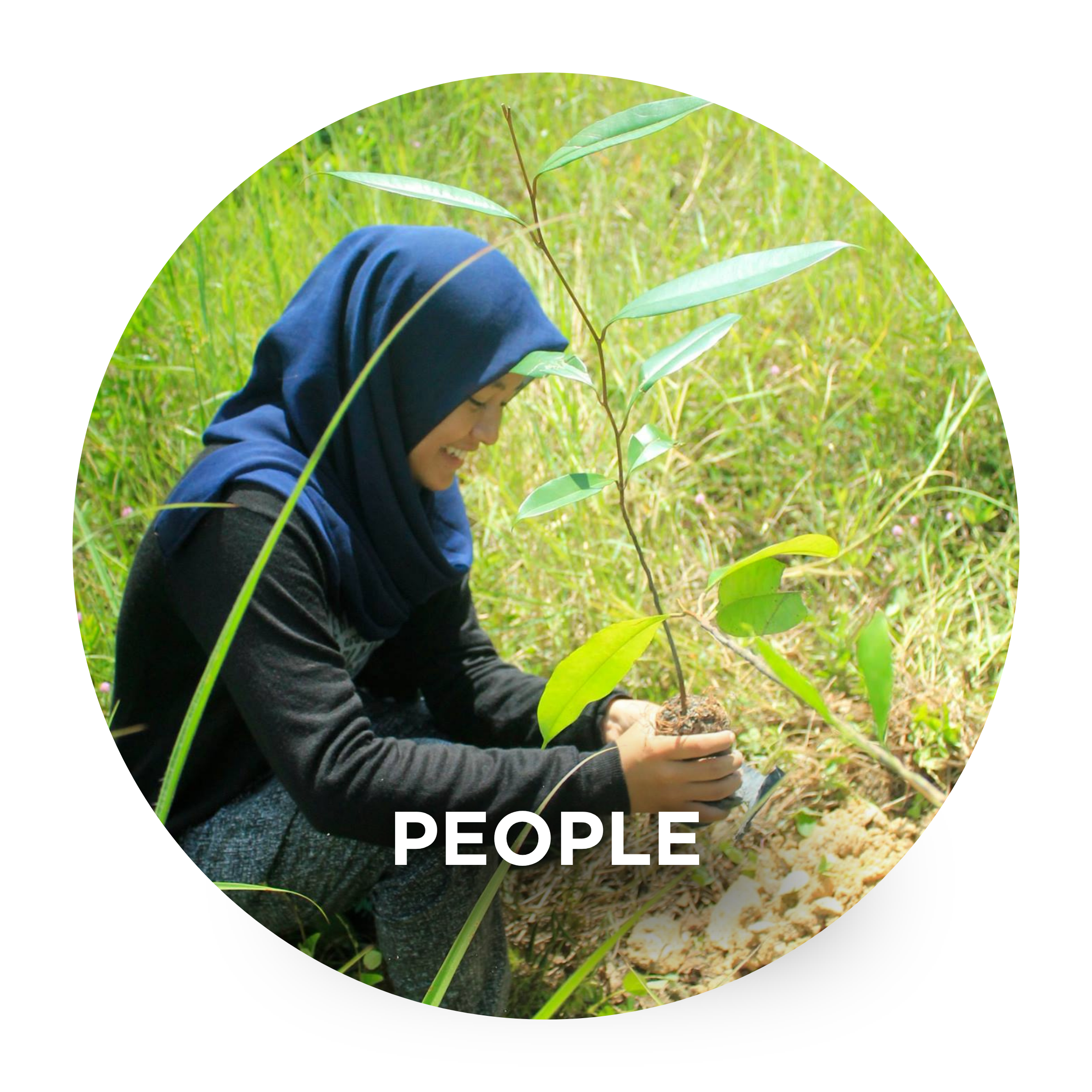
Hiring local community members to collect and outplant seedlings
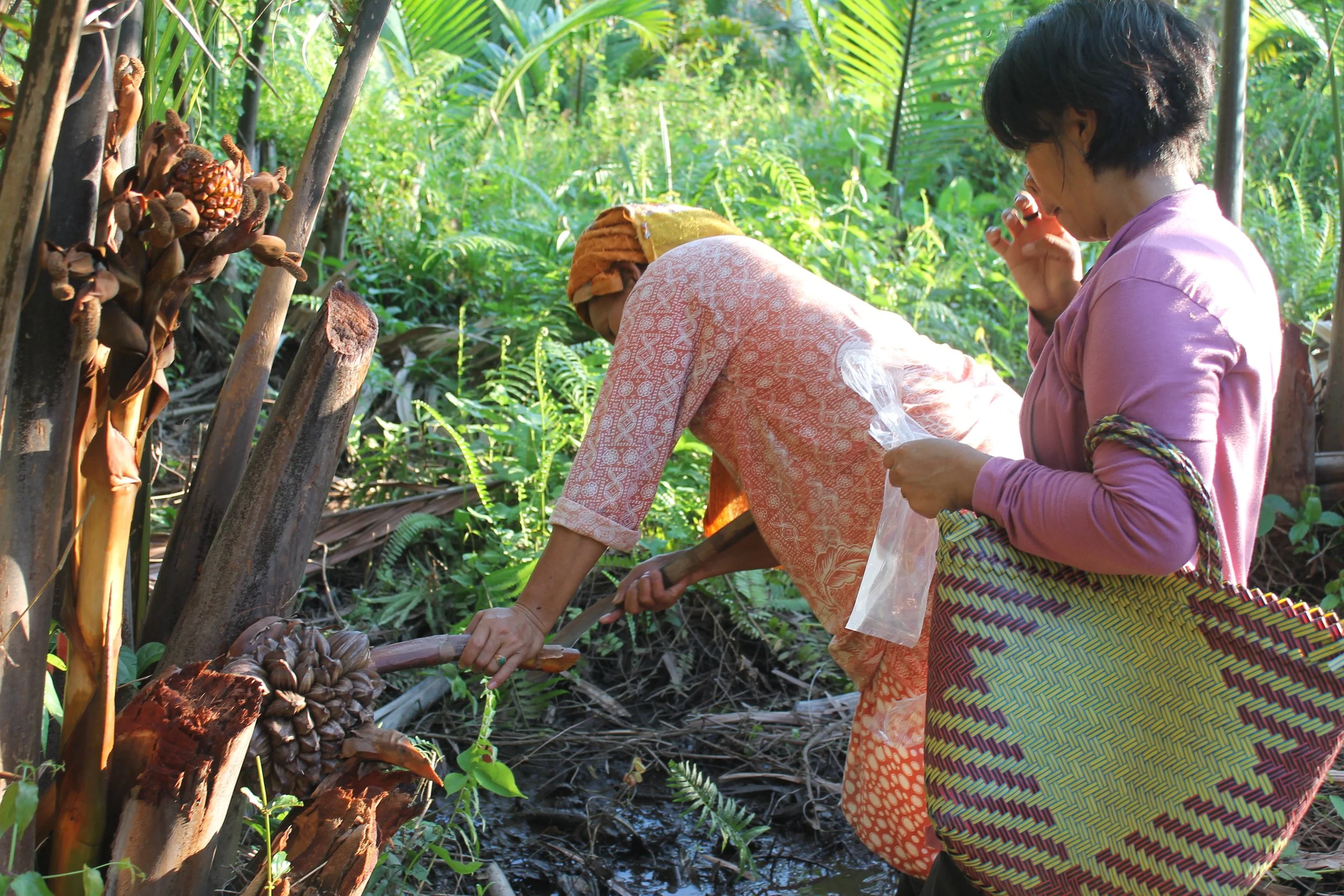
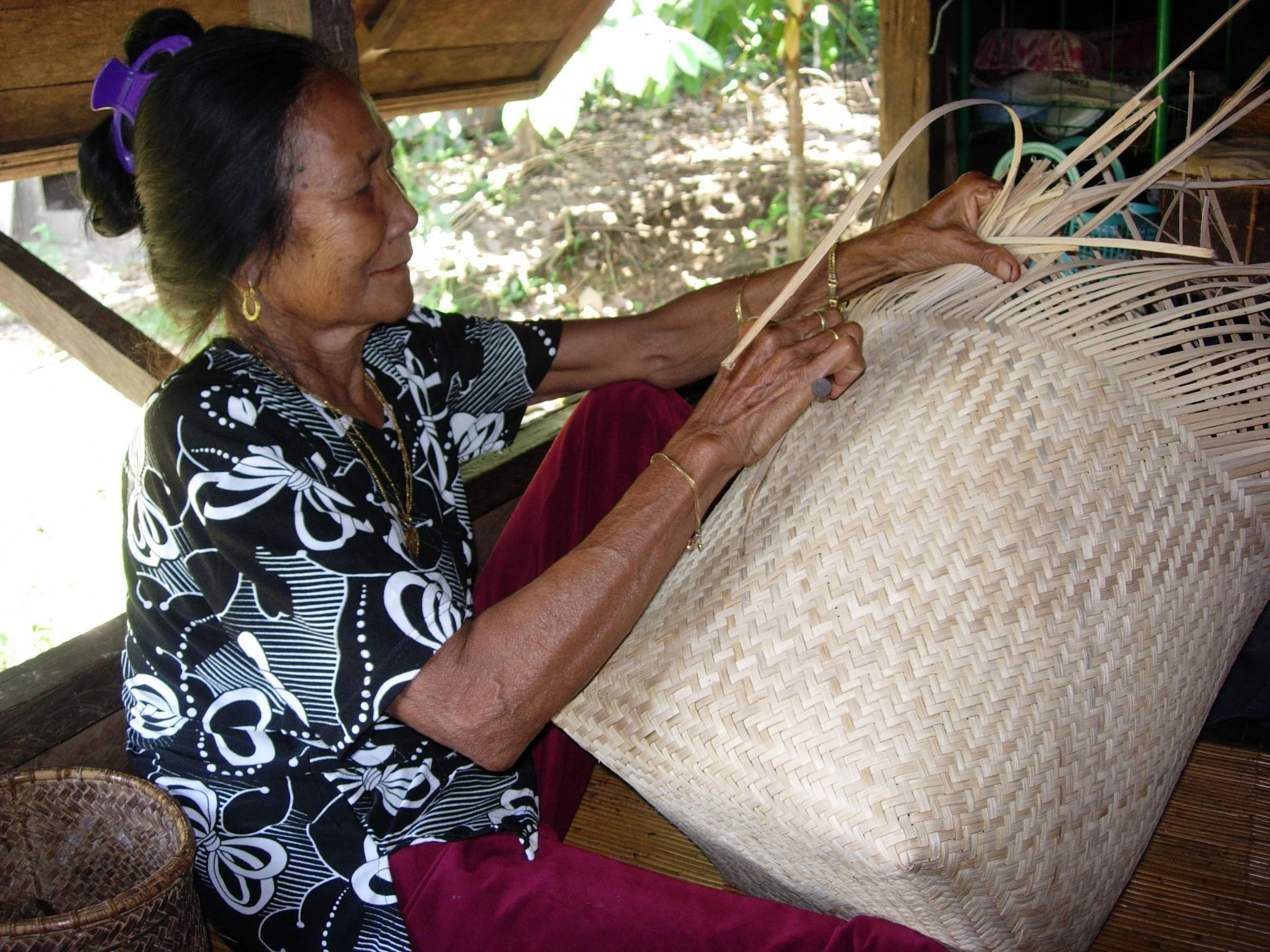
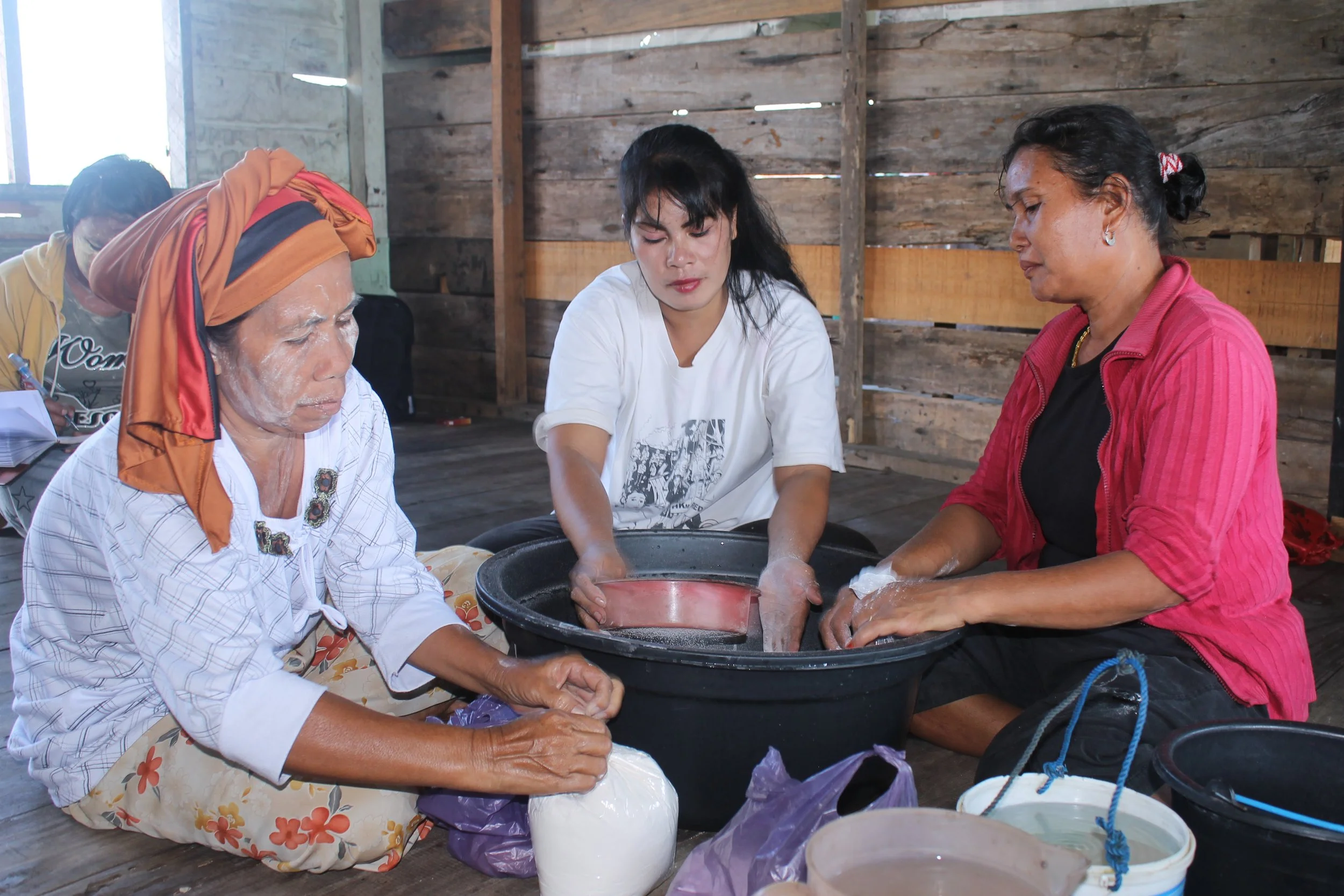
Eco-bags Initiative: established in 2022, women groups' weave biodegradable planting bags from local Nipah plant
RESEARCH
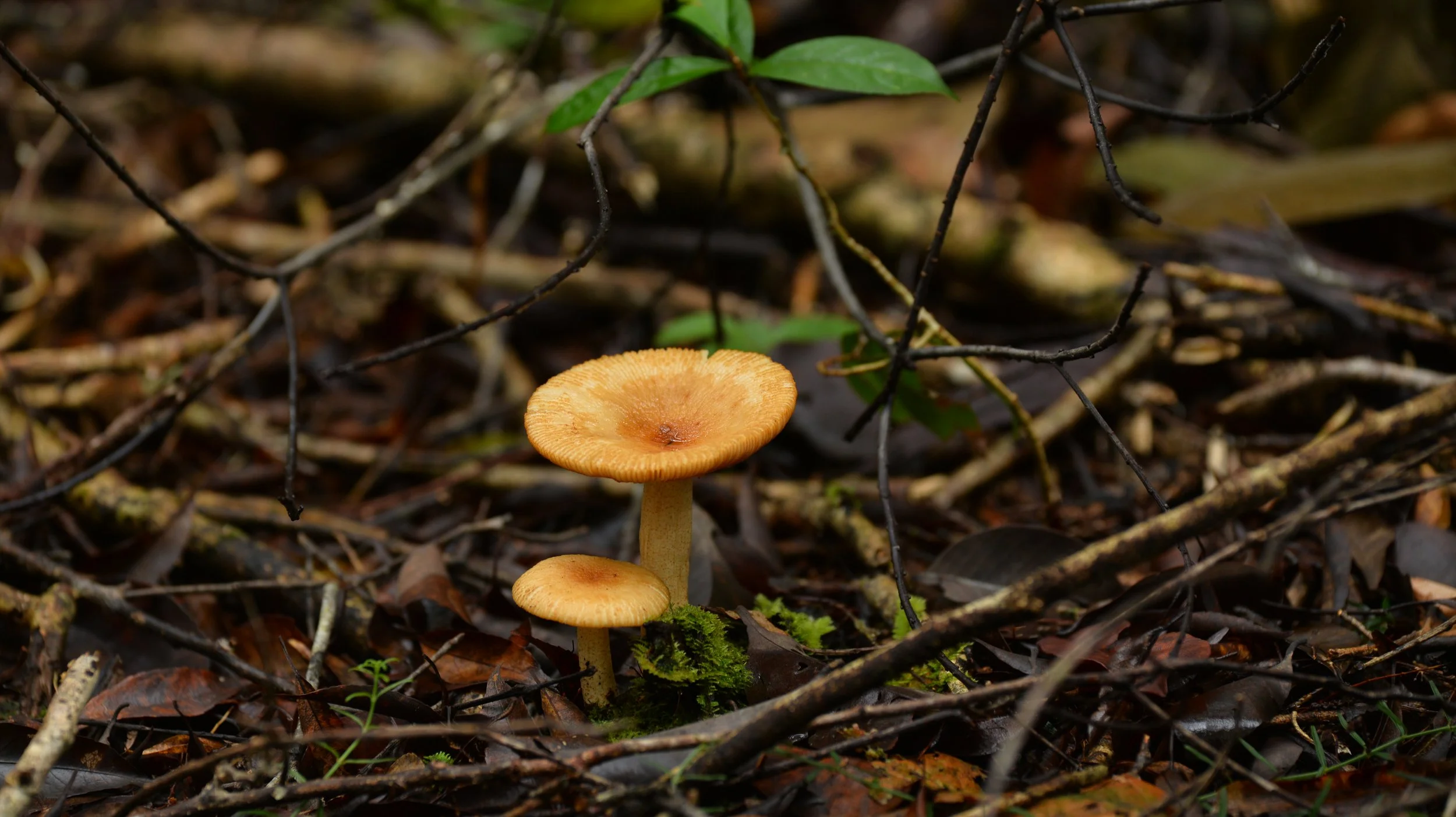
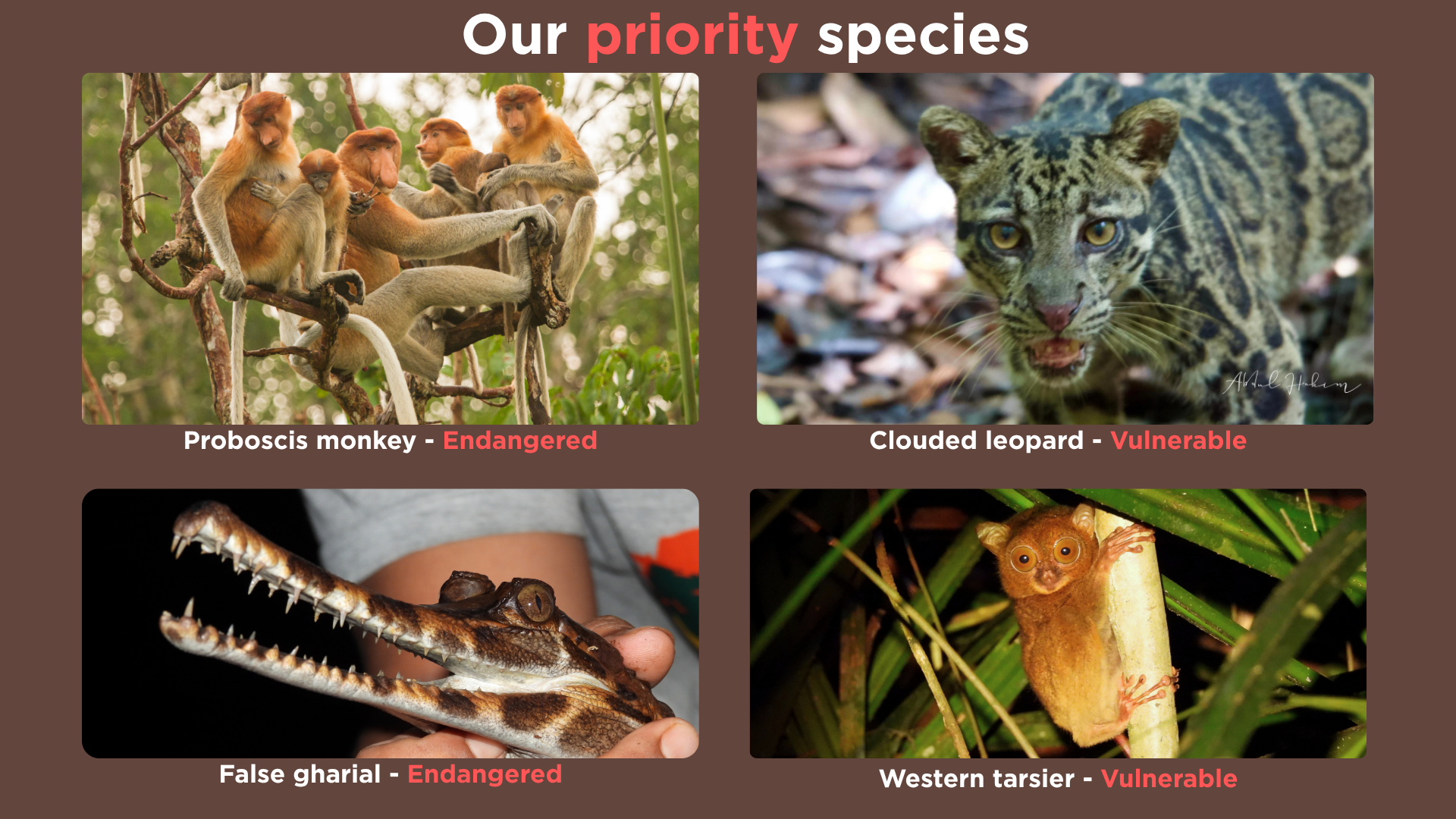
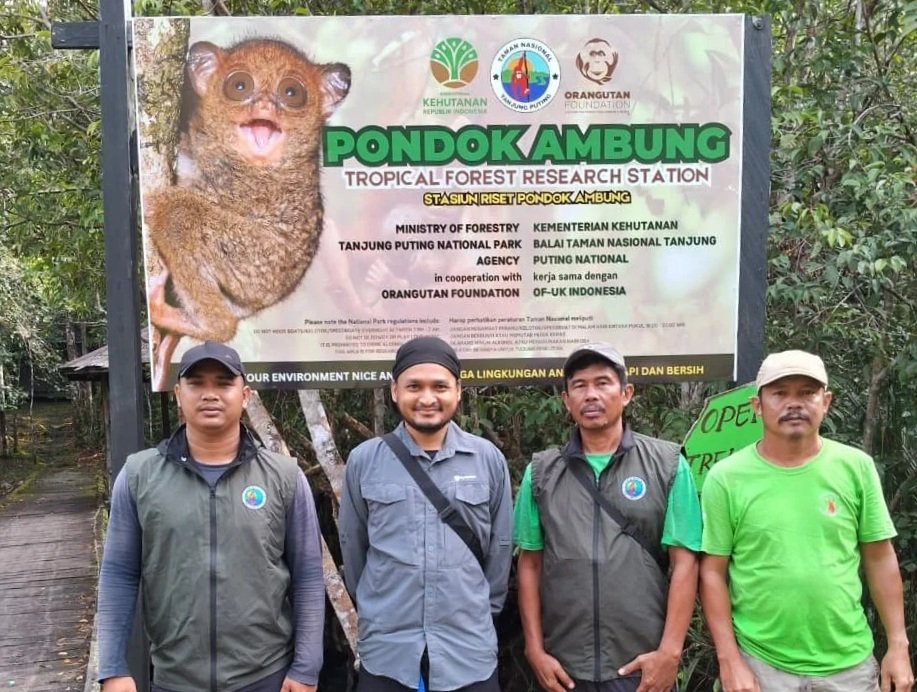
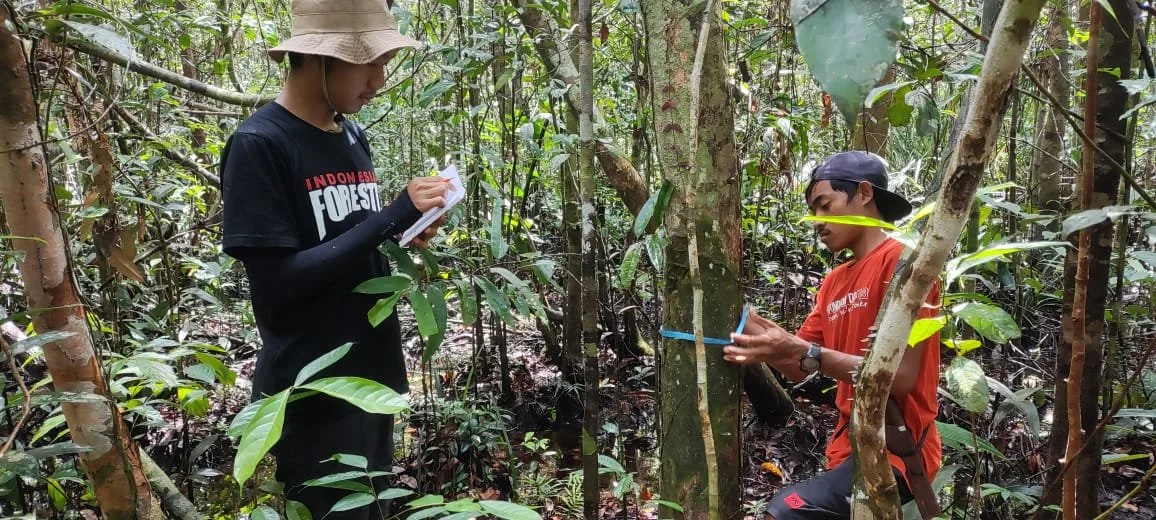
Research is vital to the conservation of globally-important habitats. The Orangutan Foundation conducts surveys on orangutan populations both within and outside of protected areas. We also run the Pondok Ambung Tropical Forest Research Station in Tanjung Puting National Park, with long-term monitoring of the surrounding forests via camera-trapping and ground surveys. Our research focuses on four priority species:
False gharial crocodile
Western tarsier
Proboscis monkey
Sunda clouded leopard
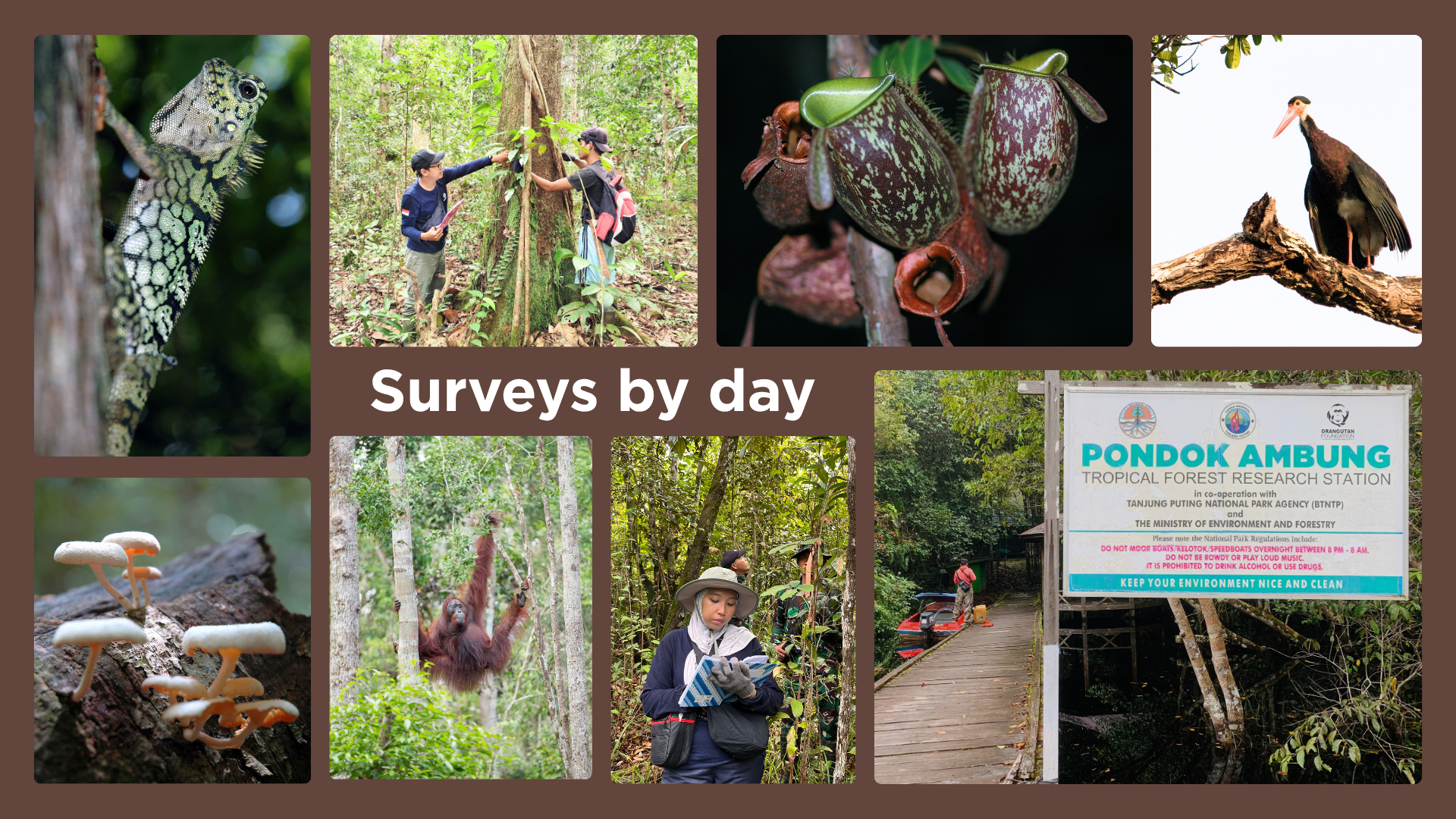
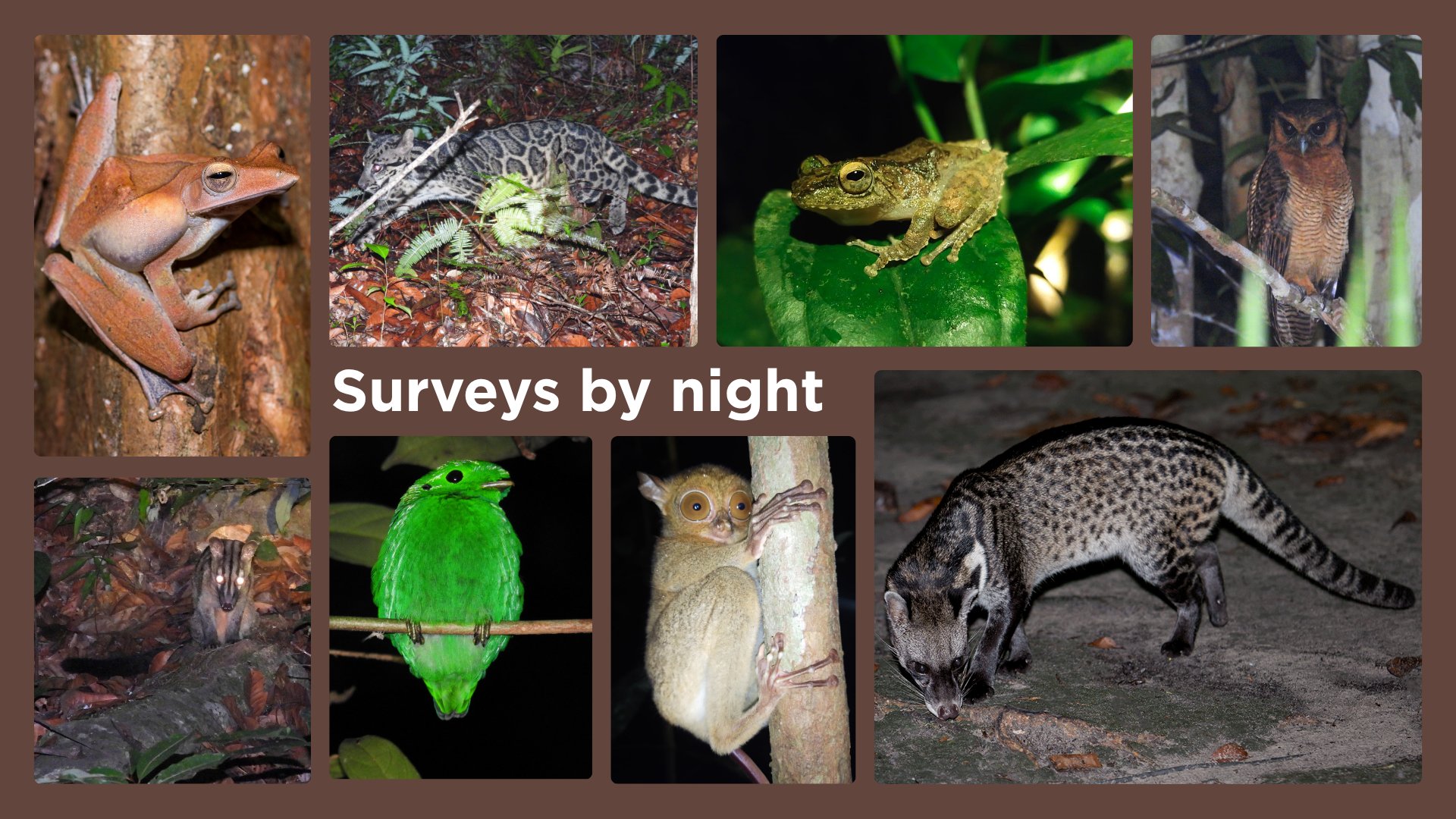
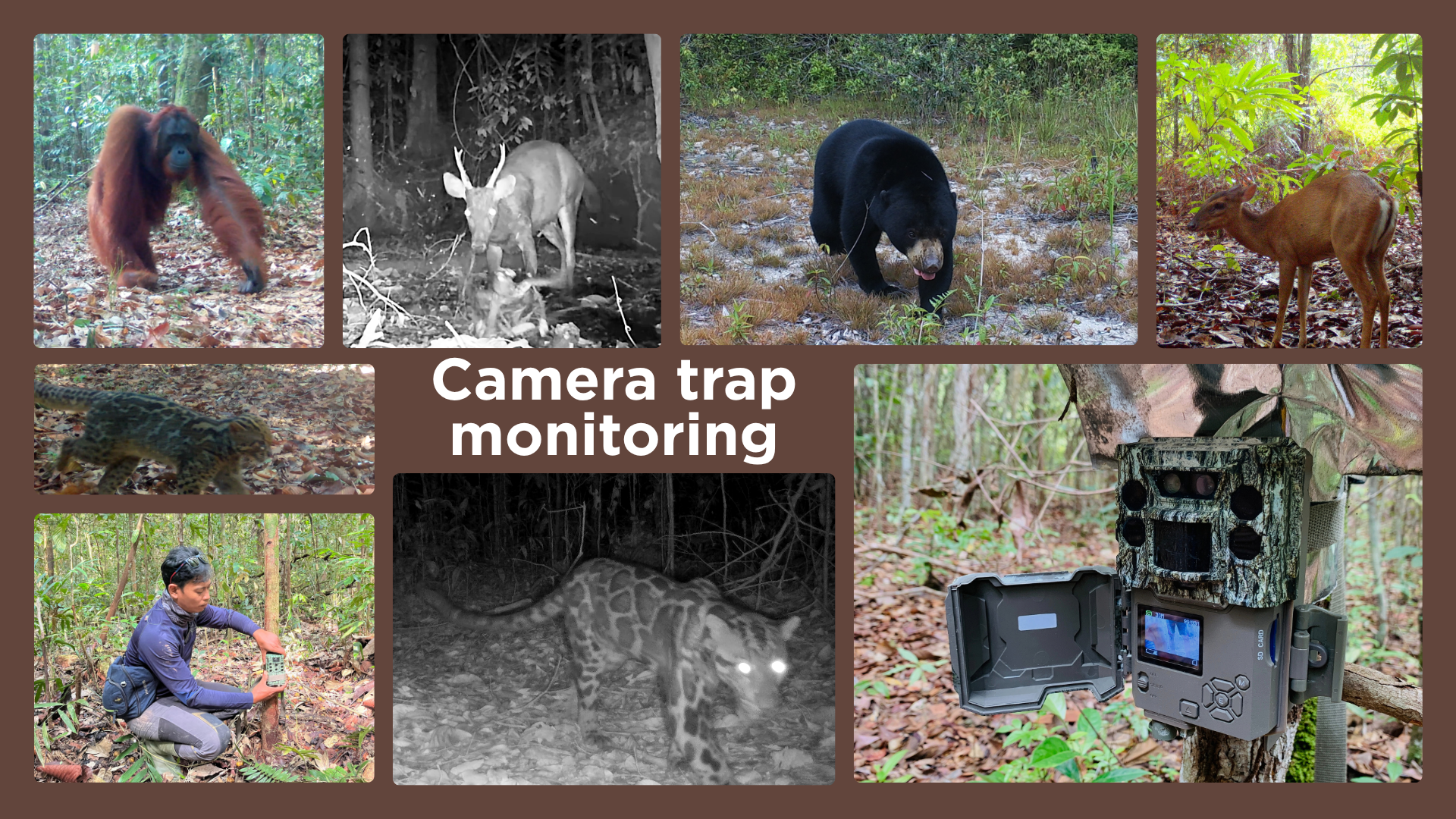
PONDOK AMBUNG tropical forest RESEARCH STATION
Much of our research is conducted from Pondok Ambung Tropical Forest Research Station which we operate within in Tanjung Puting National Park.
We work in partnership with the National Park, who use this research to inform management decisions and improve local biodiversity conservation.
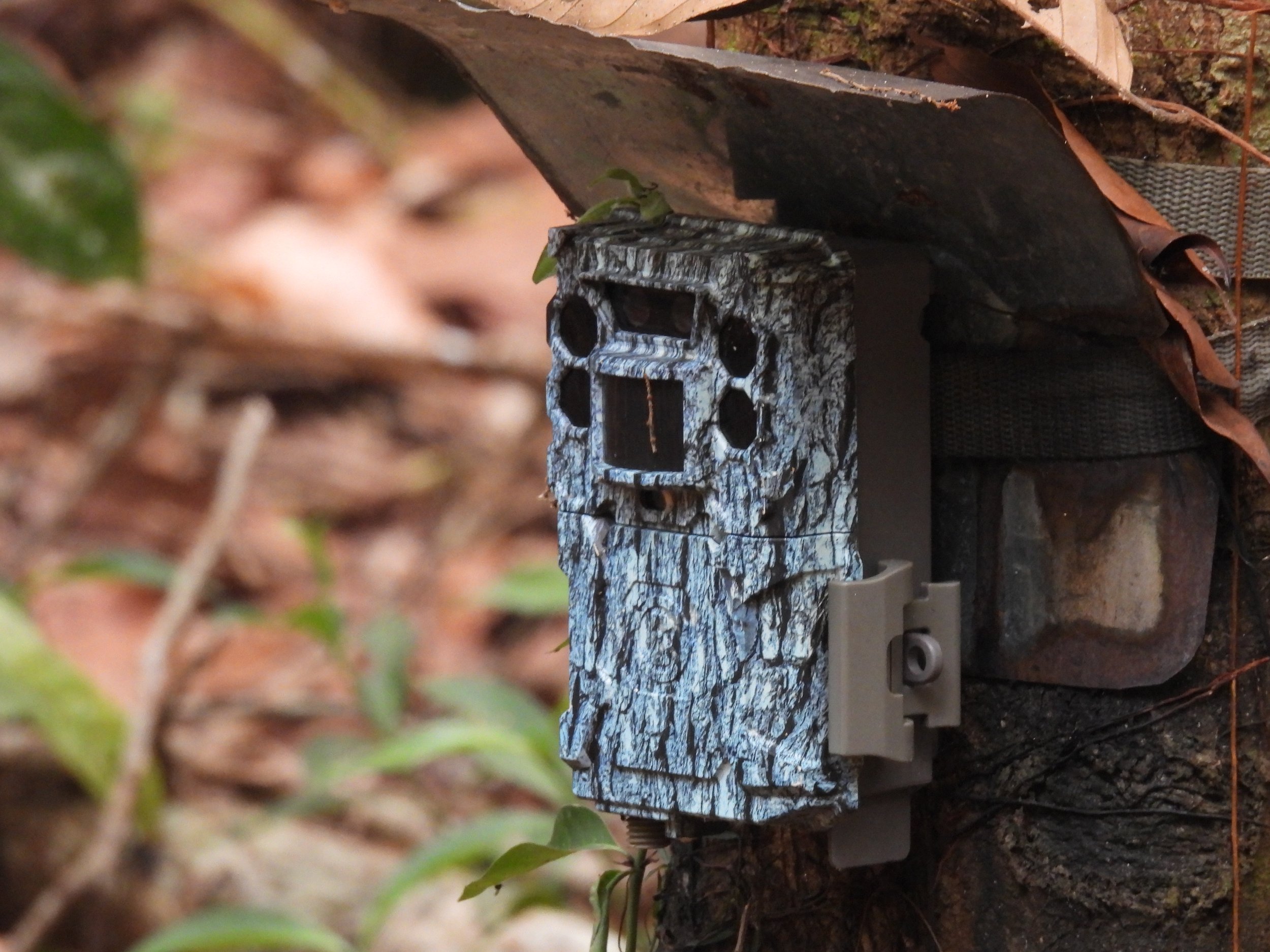
CAMERA TRAPS
The majority of research is conducted through surveys and camera traps. The camera traps provide images which are used to identify species in the National Park, many of which are rare or nocturnal so difficult to observe. One species discovered is the sunda clouded leopard, the presence of which we confirmed here for the first time.
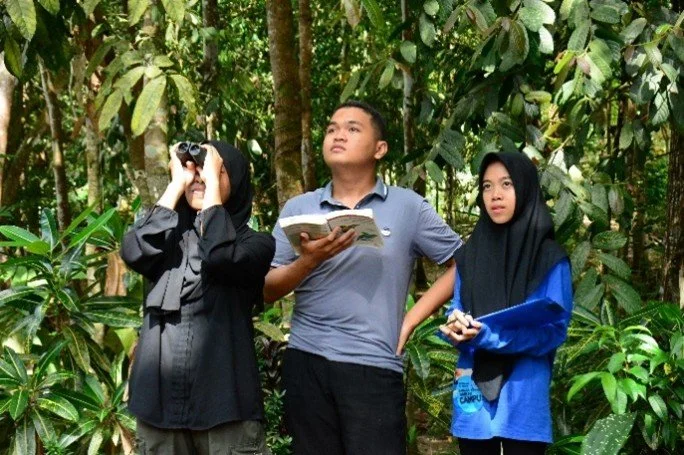
STUDENT RESEARCH GRANTS
4 research grants are offered annually to student research projects focusing on biodiversity and ecology.
For just £2, you can Sponsor an Acre of critical forest habitat in Lamandau Wildlife Reserve. All sponsorships receive a certificate, making this the perfect gift!
PEOPLE
SCHOOLS
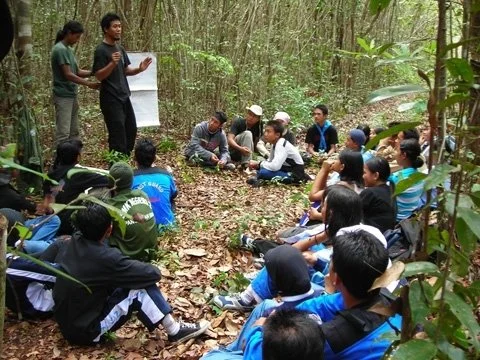
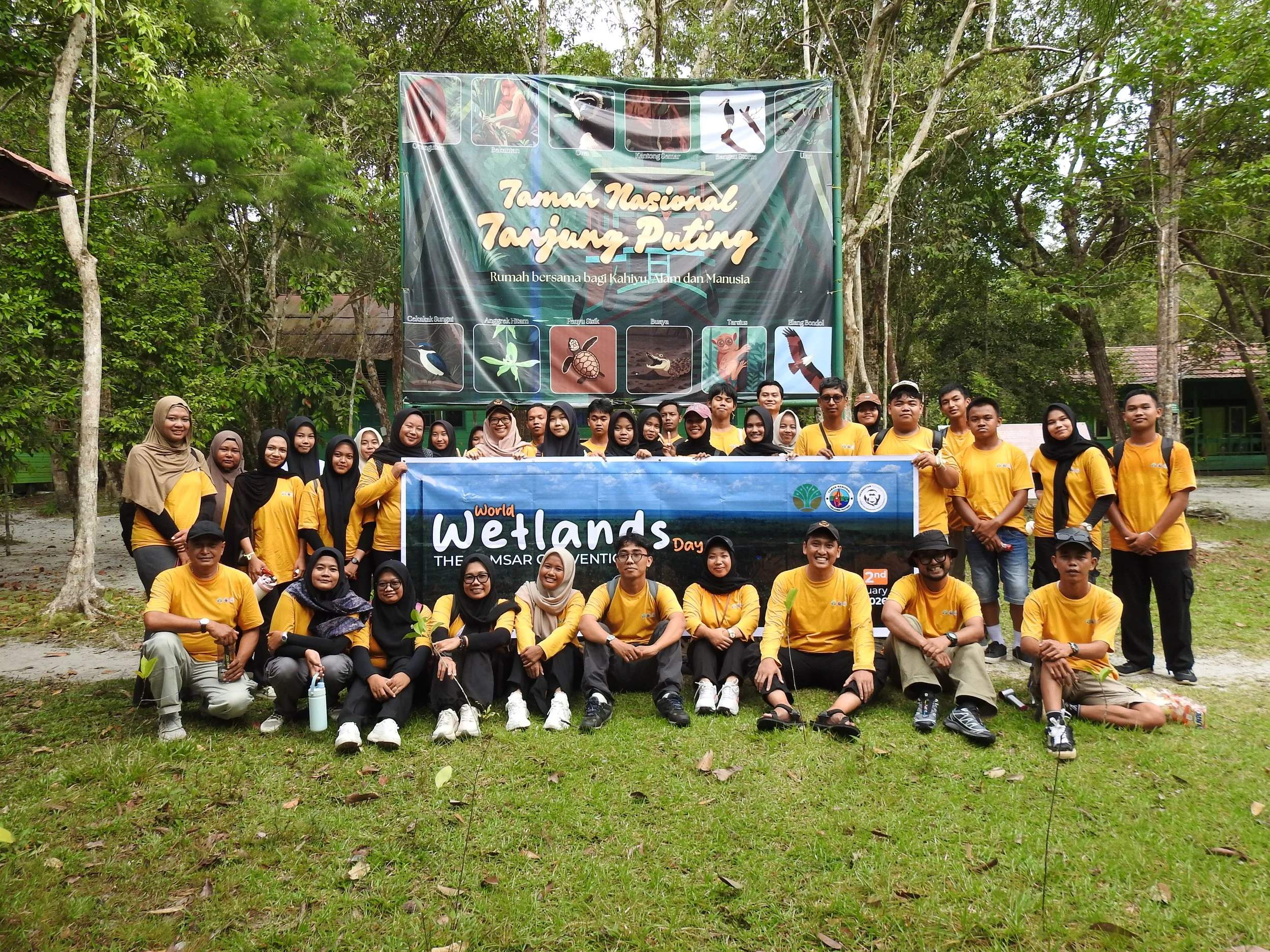
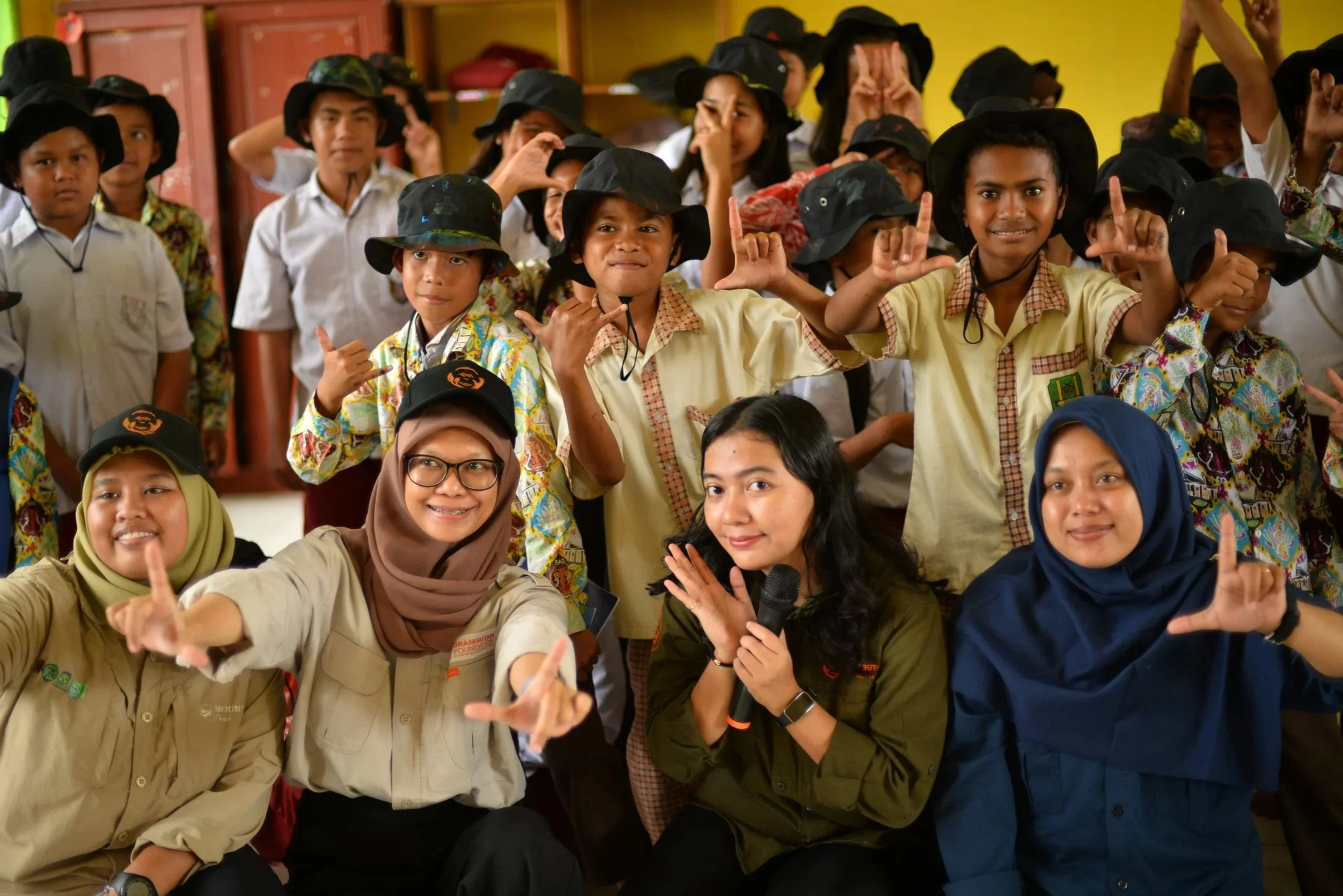
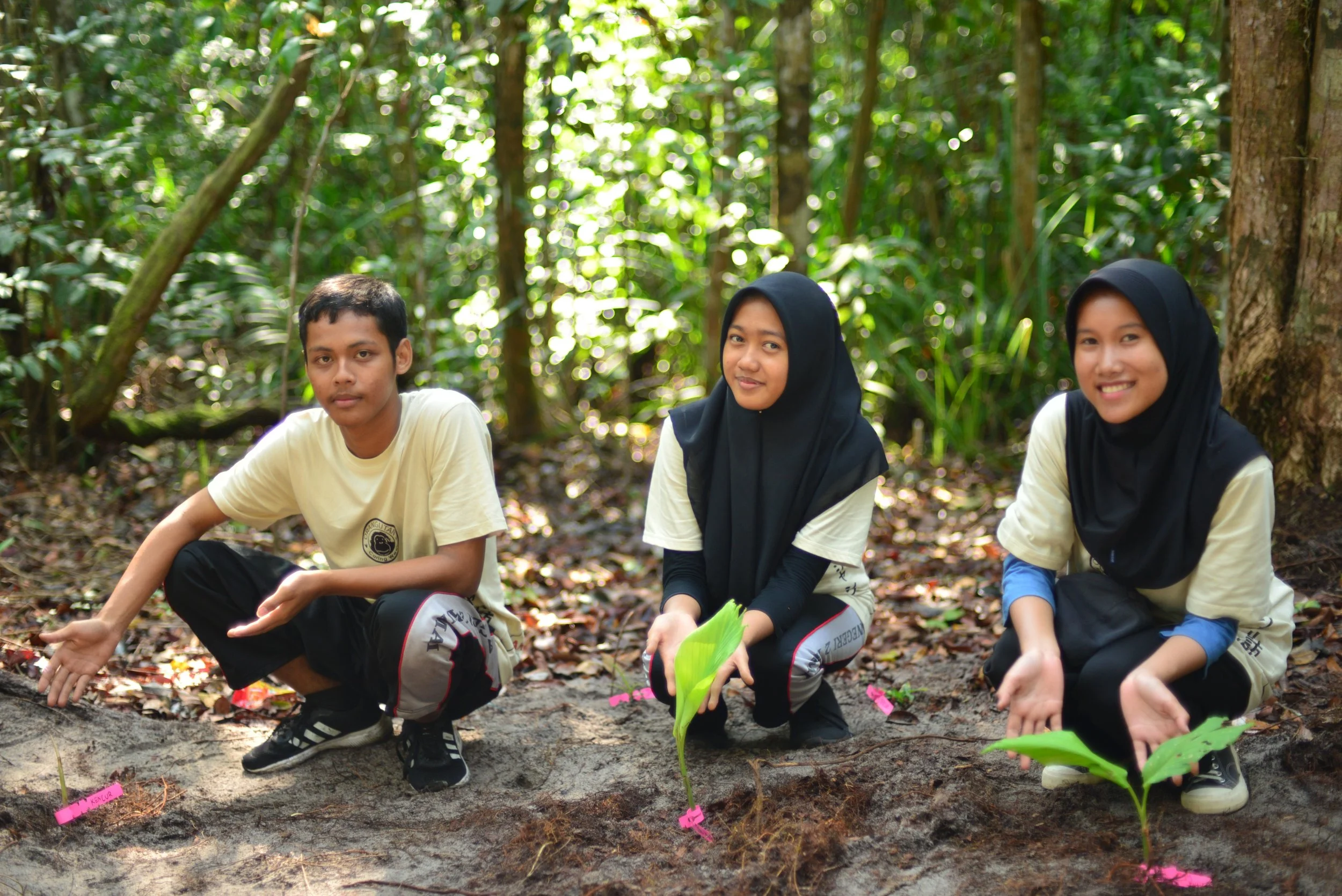
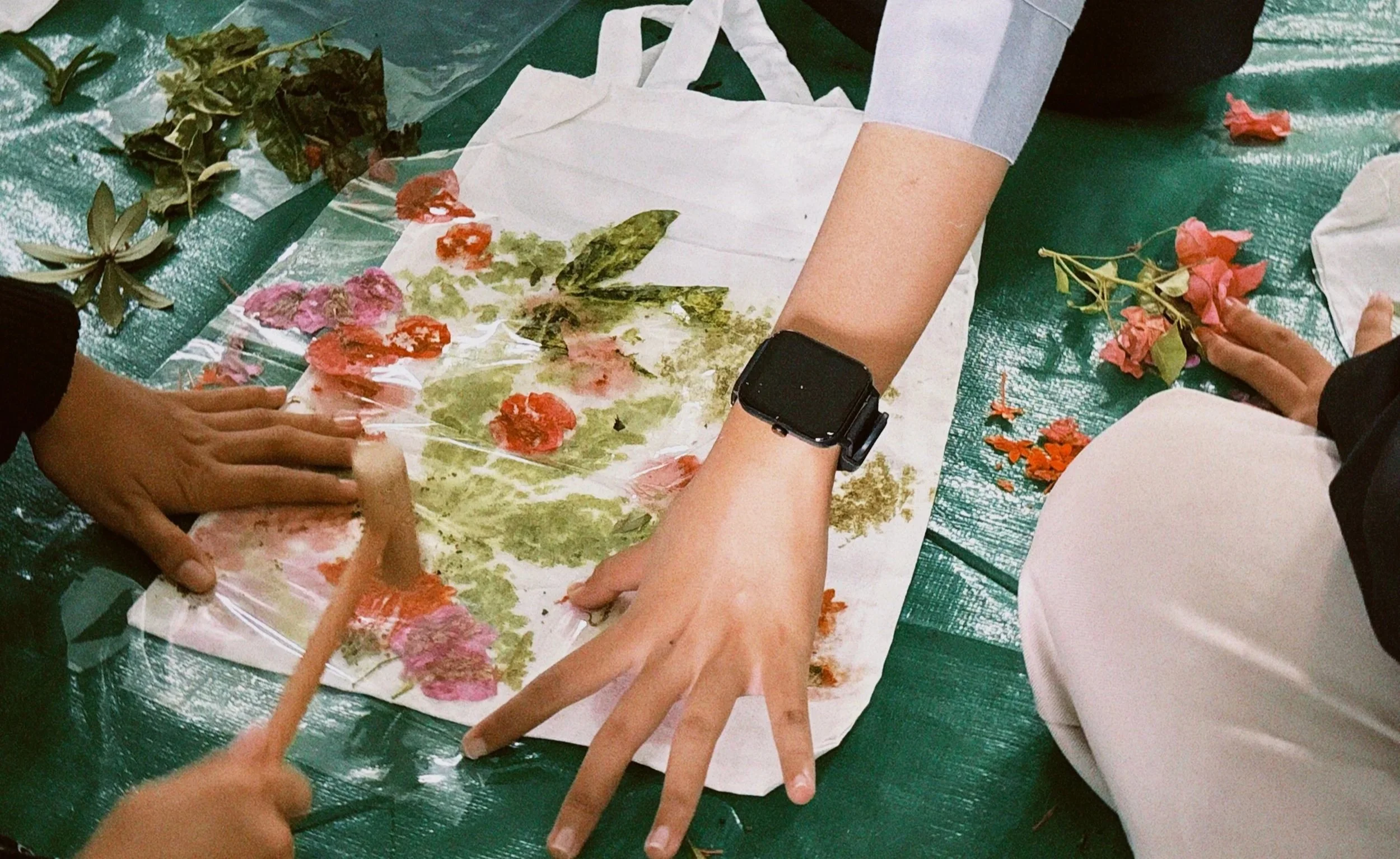
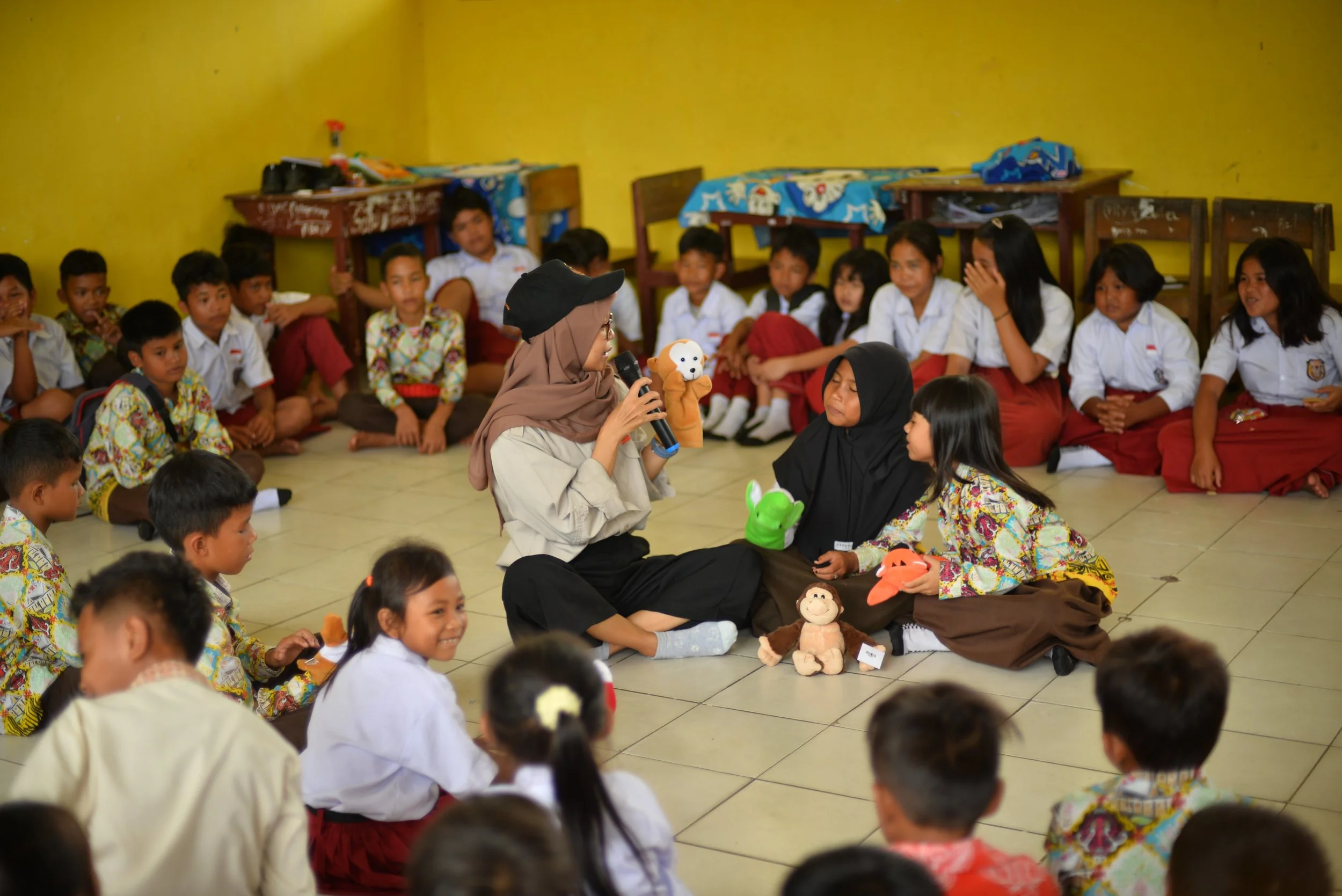
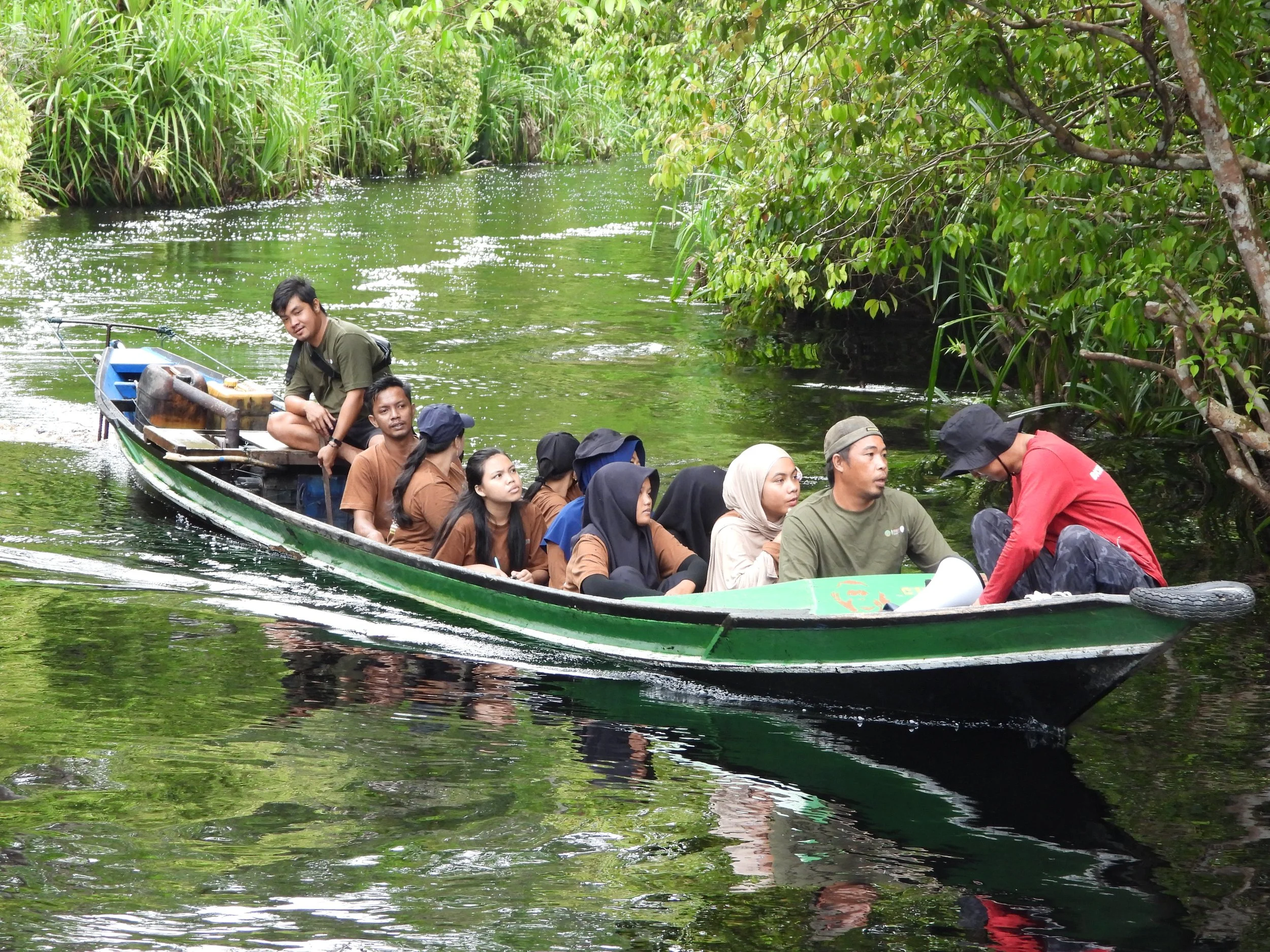
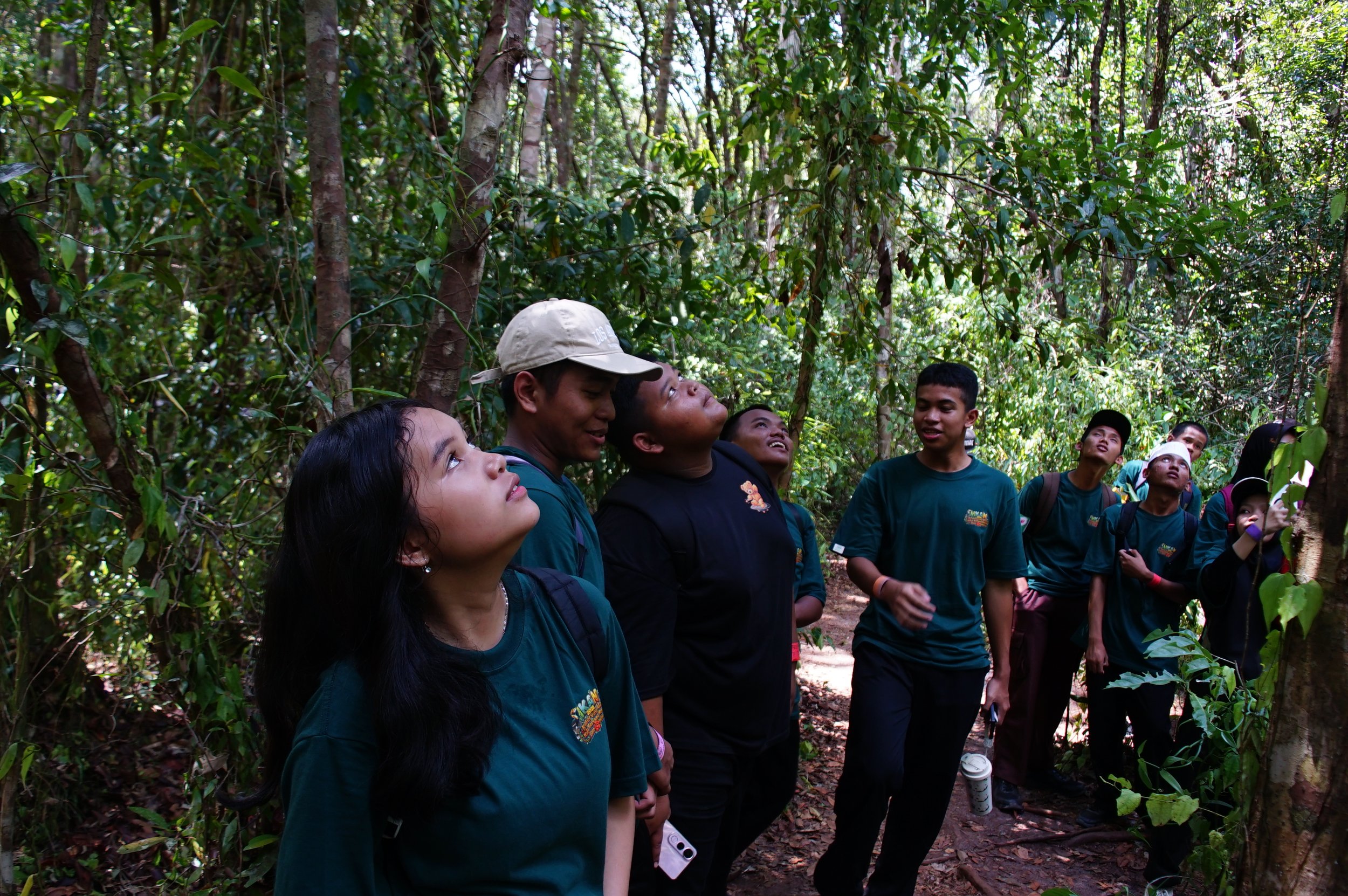
The Education Team delivers ‘Conservation Corner’ workshop series in schools to educate Indonesia’s youth on conservation. Activities include field trips to the forest, tree-planting days, nature-based arts and crafts, and workshops to develop skills in the sector such as video production. These hope to empower Indonesia’s youth who will one day have the responsibility of conserving the incredible nature on their doorstep.

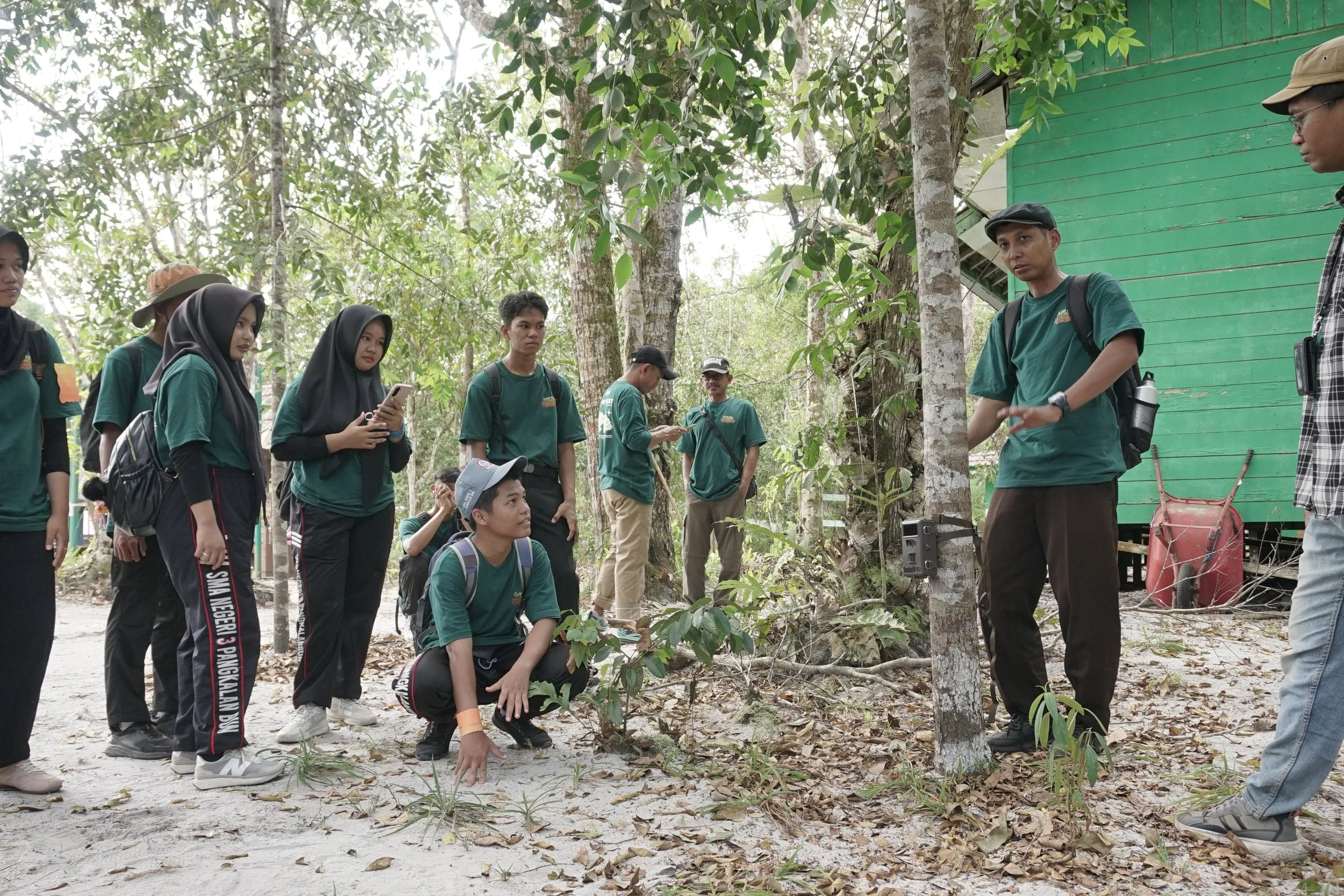
EDUCATION & COMMUNITY OUTREACH
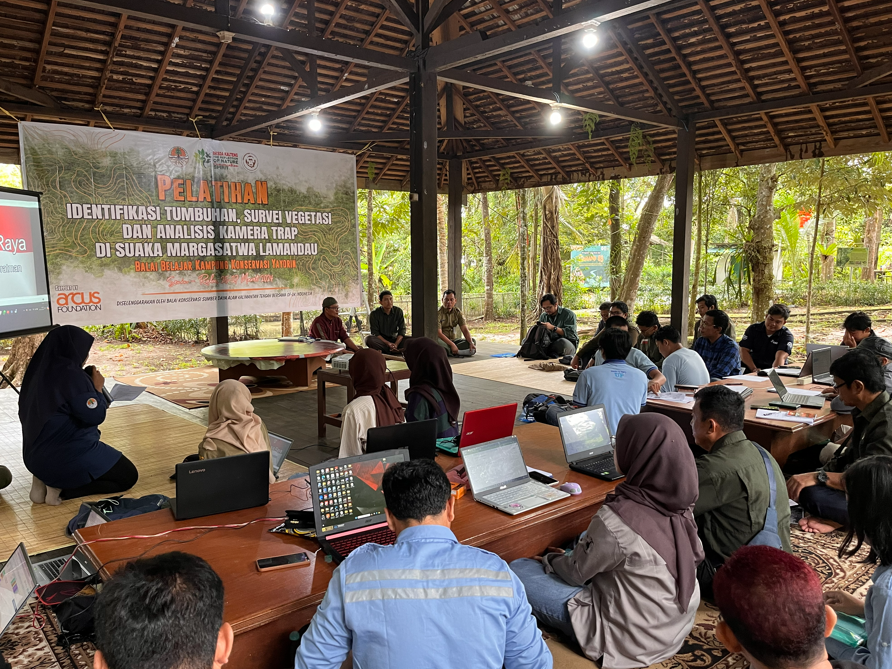
We work with local communities, conducting workshops in partnership with the Indonesian Ministry of Forestry to raise awareness of the importance of conservation, to reduce human wildlife-conflict, and to empower communities to live in harmony with nature.
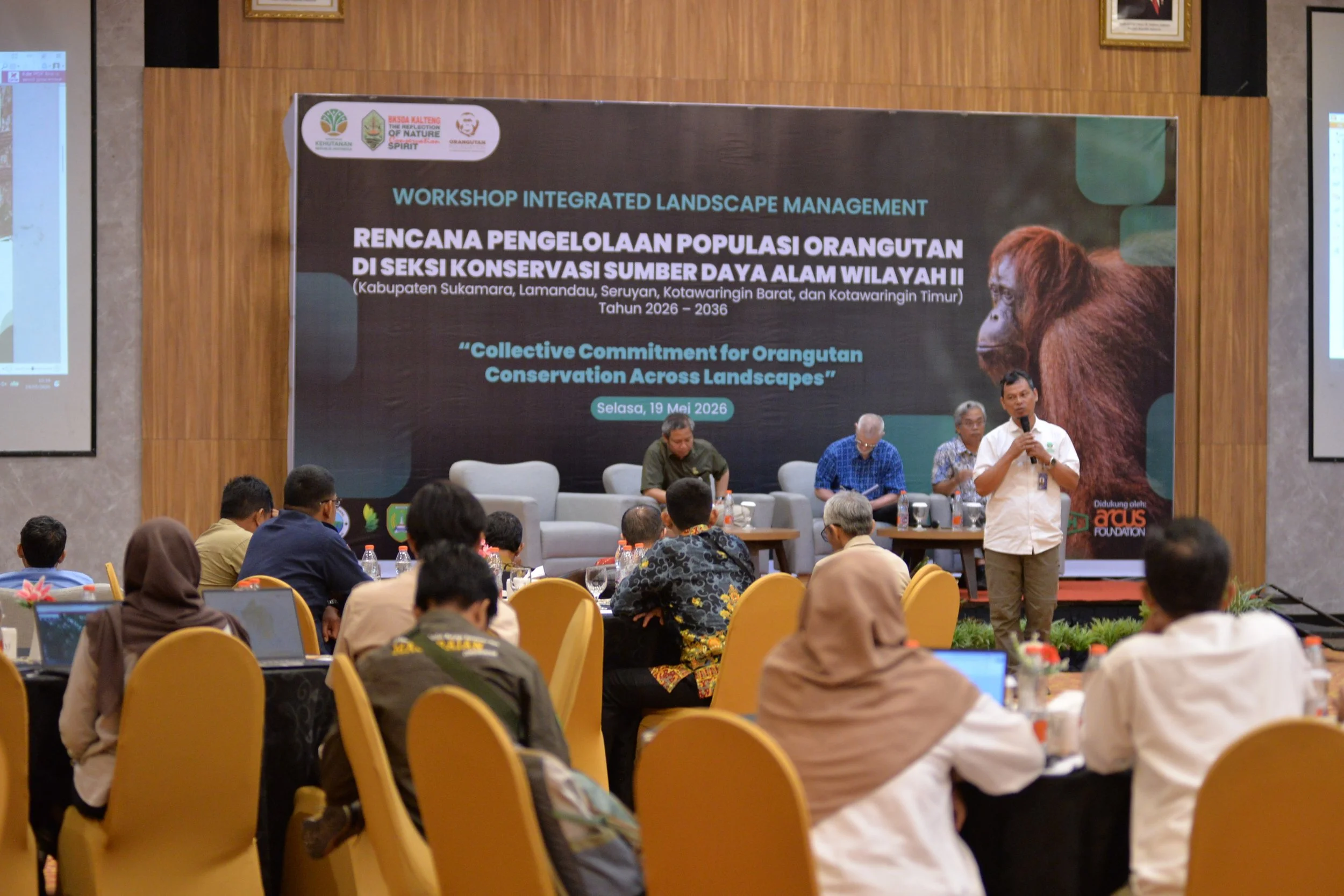
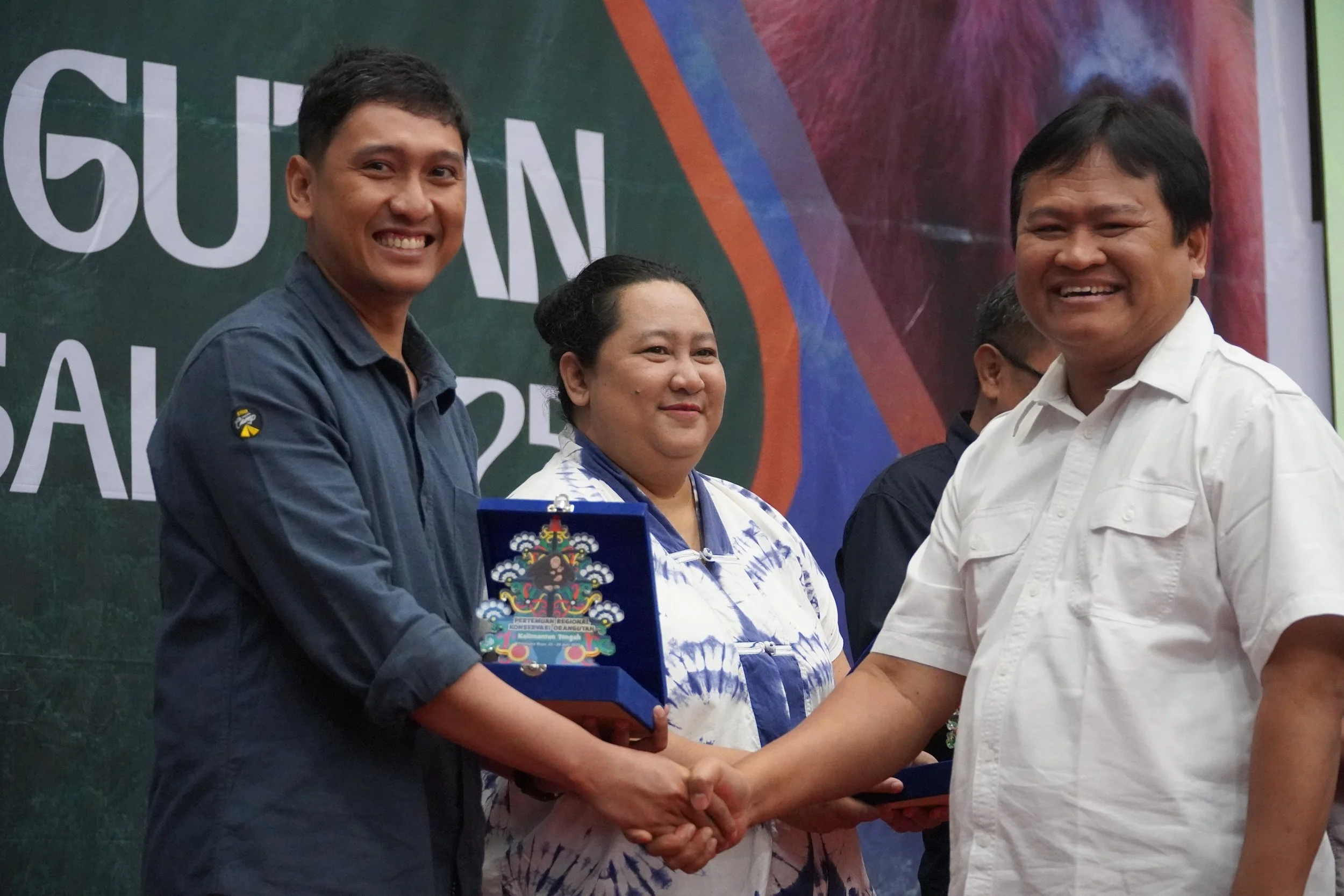
TANJUNG HARAPAN VISITOR INFORMATION CENTRE
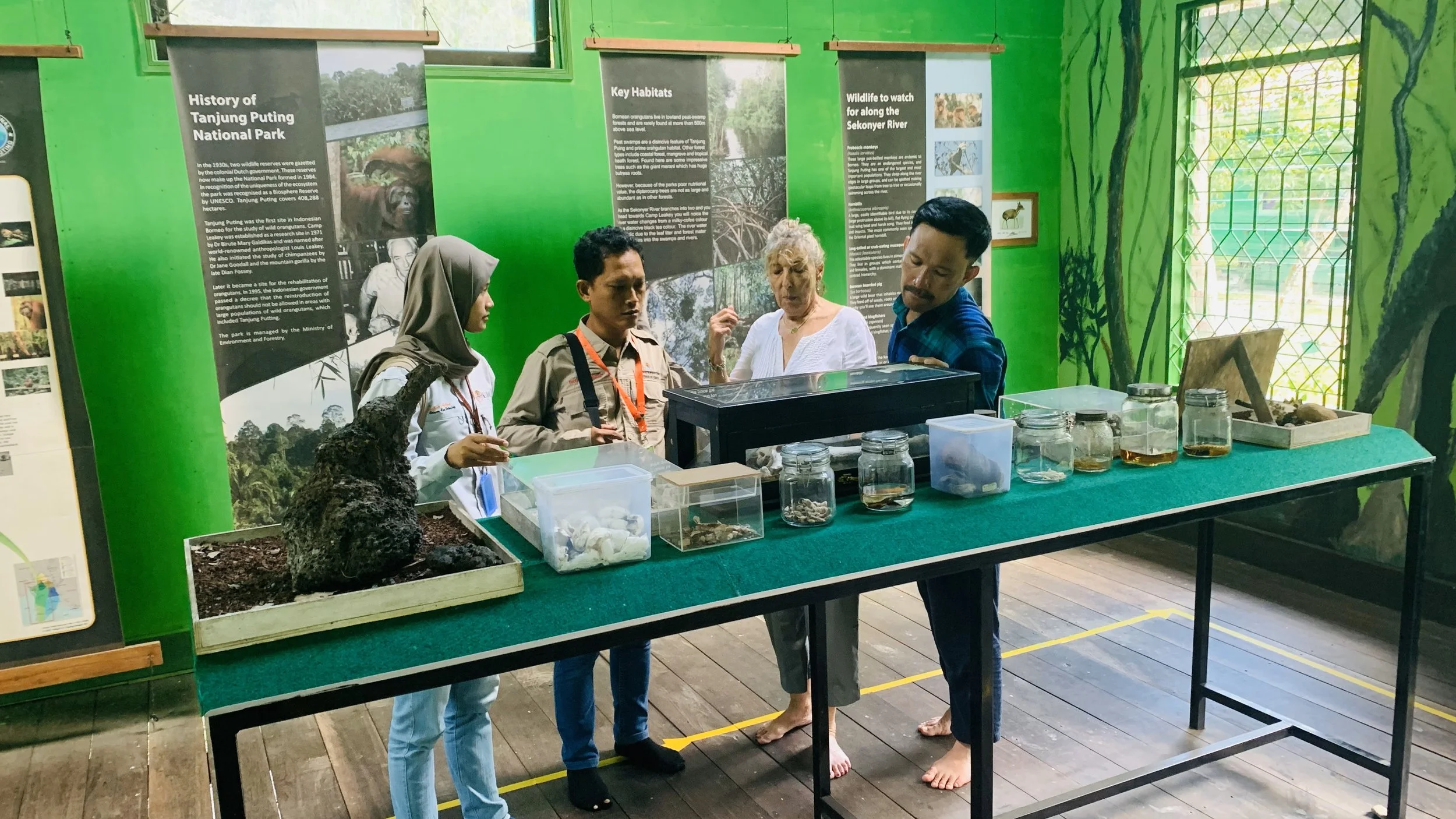
The visitor centre, operated by the Foundation, is located at the first guard post when entering Tanjung Puting National Park. This gives visitors an opportunity to learn more about orangutans, local biodiversity, and the history of Orangutan Foundation - a showcase of what this National Park has to offer and the tireless work to conserve it.
SUSTAINABLE LIVELIHOODS
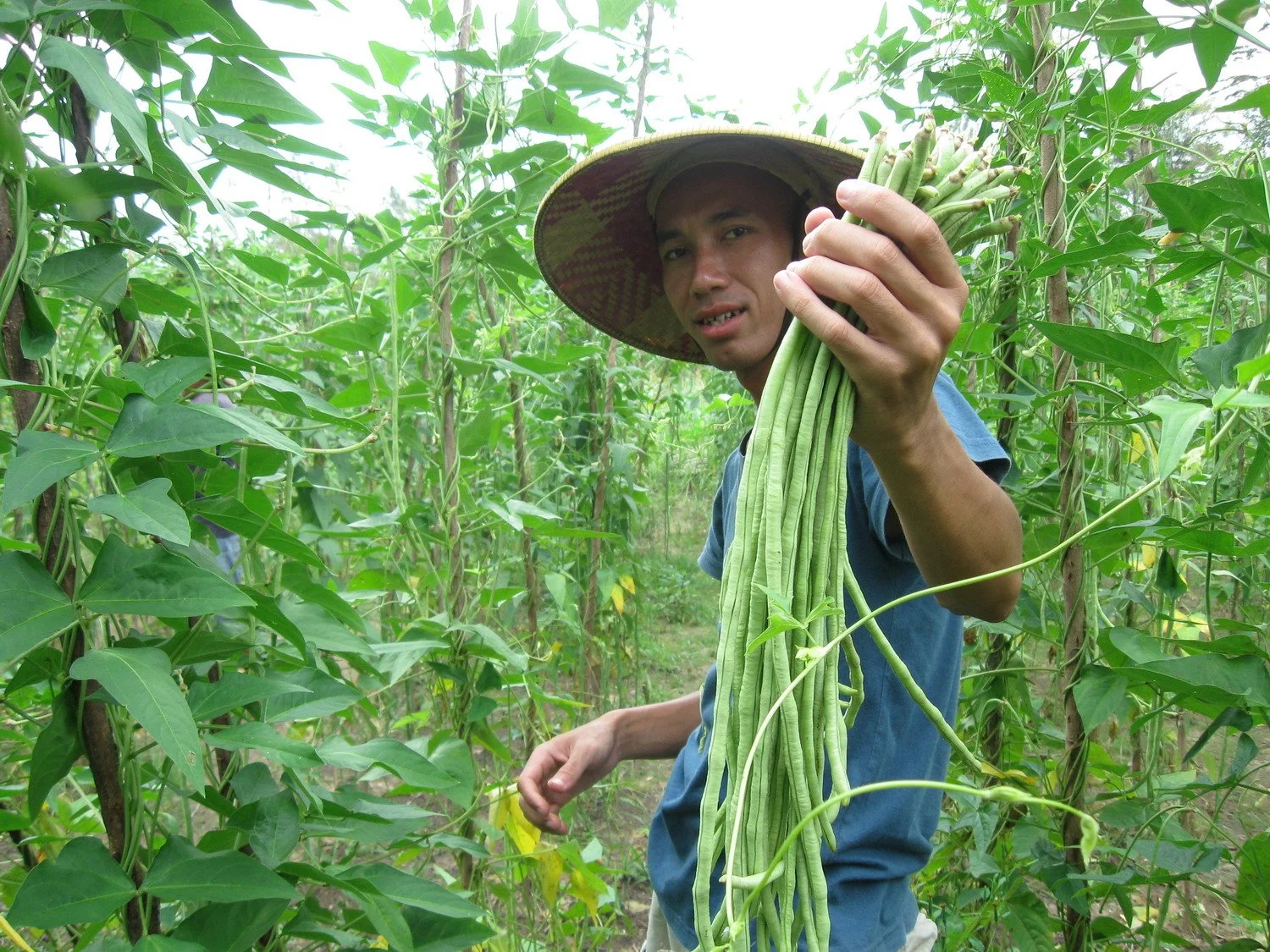
We support sustainable livelihoods by employing village members for our reforestation and habitat protection teams. We also operate specific programmes such as our Eco-bags Initiative in which women groups weave biodegradable plant pots, and Agroforestry Project which supports the sustainable growth of agriculture alongside the forest.
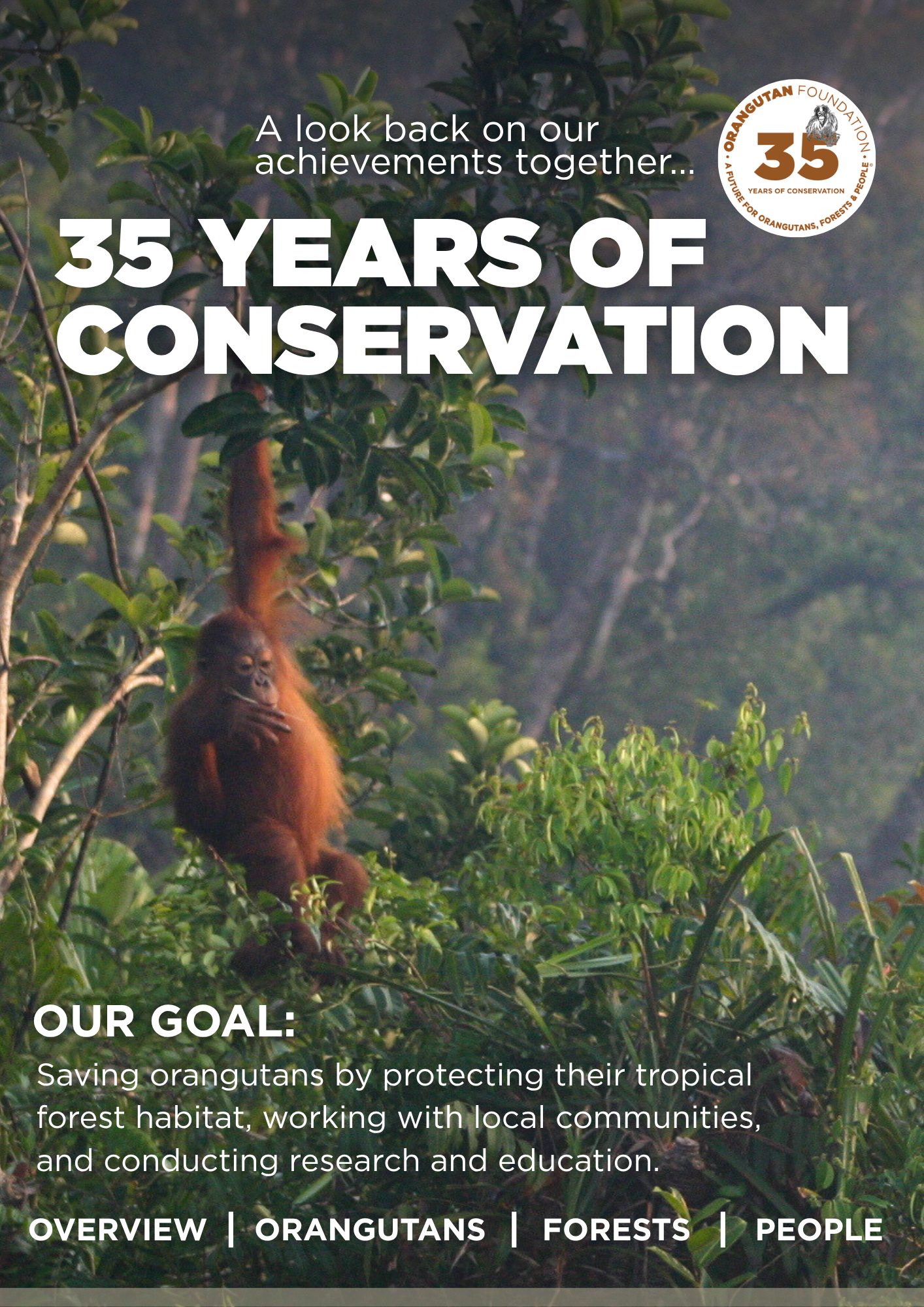
35 YEARS OF ORANGUTAN FOUNDATION!
READ OUR 35TH ANIVERSARY E-BOOKLET!
Our achievements in numbers
““This anniversary has sent me digging into our archives, from press cuttings to photo albums. I am simply amazed at the growth of the Orangutan Foundation and how far we have come.
The Foundation began as a small grassroots organisation in my spare bedroom in London. Today, we have 66 Indonesian staff members and operate 5 critical programmes: Habitat Protection, Reforestation, Research, Orangutan Rescue & Release and Community Outreach & Education.
Borneo’s unique ecosystems are teeming with life not found anywhere else on earth. Once it is gone, we will have lost it forever.
But, the future is in our hands. And together, we can protect nature. We can make a difference.
We hope you enjoy reading our anniversary e-booklet with our achievements from over the years.””